Ammonium Phosphate Potassium Compound Fertilizer Has Complete Nutrients, and Mastering the Key Application Points Is Crucial
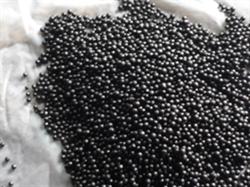
Ammonium phosphate potassium compound fertilizer is a ternary NPK compound fertilizer made by using ammonium phosphate to supply nitrogen and phosphorus nutrients, then adding potassium fertilizer. It is generally made by granulating monoammonium phosphate or diammonium phosphate as the base raw material together with potassium chloride or potassium sulfate; the nutrient ratio varies with different formulas, so the appropriate model can be selected according to crop needs and soil conditions.
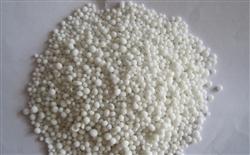
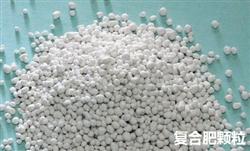
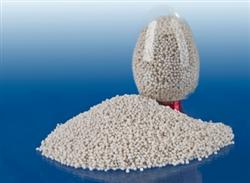
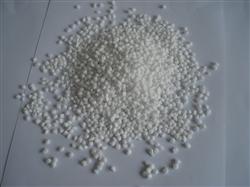
In terms of characteristics, this type of fertilizer has a relatively high nutrient content and good water solubility. Nitrogen is mainly in the form of ammonium nitrogen, and phosphorus is mainly in the form of readily absorbed water-soluble phosphorus, so its utilization efficiency is fairly good. The granules are uniform and the physical properties are stable, making it convenient for storage, transportation, and mechanized application. A single application can supply all three major elements, nitrogen, phosphorus, and potassium, at the same time, saving labor and effort.
In application, ammonium phosphate potassium compound fertilizer is mostly used as a base fertilizer or seed fertilizer, and can also be used for topdressing. It is suitable for many planting scenarios, including grain crops, fruit trees, and vegetables. When applying it, deep placement and covering with soil are preferable, and a certain distance should be kept from seeds or seedling roots to avoid burning seeds or seedlings due to excessively high local concentration. Appropriate watering after fertilization helps nutrients dissolve and roots absorb them.
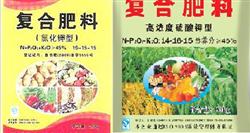
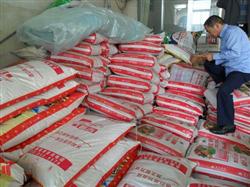
When purchasing, pay attention to the NPK ratio marked on the packaging and distinguish between potassium chloride type and potassium sulfate type products. Chlorine-sensitive crops such as tobacco and potatoes should preferably use the potassium sulfate type. Long-term one-sided application of ammonium nitrogen fertilizer may make the soil acidic, so conditioning measures such as increasing organic fertilizer application can be combined to maintain soil fertility. During storage, it should be placed in a cool, dry place to prevent moisture and caking from affecting fertilizer efficiency.
Related Reading