A Detailed Guide to the Characteristics and Scientific Application Methods of Ammonium Phosphate Sulfate
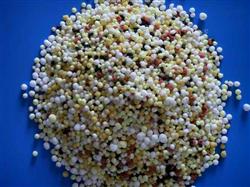
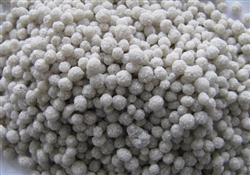
Ammonium phosphate sulfate is a compound fertilizer containing two major nutrients, nitrogen and phosphorus, at the same time. It is usually made by neutralizing a mixed acid of phosphoric acid and sulfuric acid with ammonia, and besides nitrogen and phosphorus, the product also contains sulfur provided by the sulfate radical. It has a fairly complete nutrient profile and good water solubility, and is often used as a base fertilizer in agricultural production, and can also be used as a top dressing.
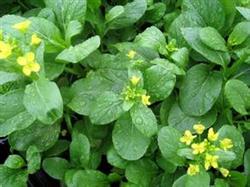
In terms of nutrient forms, the nitrogen in ammonium phosphate sulfate is mainly ammonium nitrogen, and the phosphorus is mostly water-soluble or citrate-soluble phosphorus, which can be absorbed and used by crop roots fairly quickly. The sulfur in it is more suitable for sulfur-loving crops such as rapeseed, garlic and onion, and its effect is more noticeable when applied on sulfur-deficient soils. Because the fertilizer is physiologically acidic, when applied over the long term on acidic soils it should be combined with organic fertilizer or an appropriate amount of lime, to ease the trend of the soil becoming more acidic.
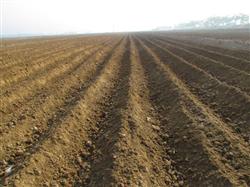
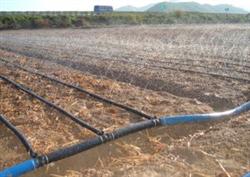
When applying ammonium phosphate sulfate, it can be spread as a base fertilizer in combination with tillage and then plowed into the soil, or as a top dressing applied in furrows or holes, taking care to cover with soil and water. If used as a seed fertilizer, the amount should be properly controlled, and direct contact between the fertilizer and the seeds should be avoided to prevent burning the seeds and damaging the seedlings. The specific application rate should be flexibly adjusted according to soil fertility, crop type and different growth stages, to avoid applying too much at one time.
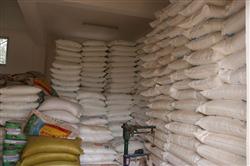
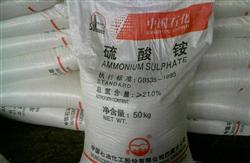
In terms of storage, ammonium phosphate sulfate should be kept in a cool, dry, well-ventilated place. Take care to prevent moisture and caking, and do not store or transport it together with alkaline materials, so as not to reduce fertilizer efficiency. When purchasing, you can identify whether the fertilizer is genuine or fake through the packaging labeling and nutrient content, and choosing products from proper channels gives more assurance when using them.
Related Reading