The Role of Phosphate Fertilizers: Common Types and Application Methods
Phosphate fertilizer is a fertilizer whose main nutrient is phosphorus. Phosphorus is one of the major elements essential for crop growth; it participates in energy conversion, photosynthesis and material transport within the plant, and plays an important role in root development, tillering, flowering and fruiting. When crops are deficient in phosphorus, they often show slow growth, dark green or purplish leaves, weak roots and reduced fruiting; timely phosphorus supplementation helps restore normal growth.
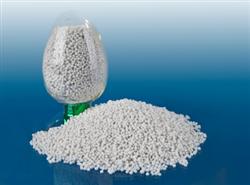
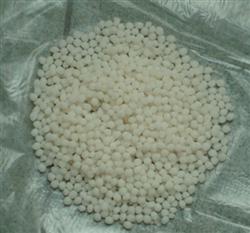
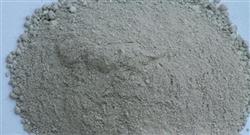
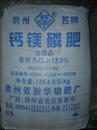
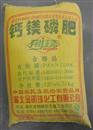
According to the solubility characteristics of phosphorus, phosphate fertilizers can generally be divided into three categories: water-soluble, citrate-soluble and sparingly soluble. Water-soluble phosphate fertilizers such as superphosphate (calcium dihydrogen phosphate) and triple superphosphate release nutrients quickly and are suitable as a base fertilizer or early topdressing for many soils and crops; citrate-soluble phosphate fertilizers such as calcium magnesium phosphate have a mild and lasting effect and are better suited to acidic soils; ammonium phosphate nitrate contains both nitrogen and phosphorus nutrients, making it more comprehensive. In addition, there are sparingly soluble phosphate fertilizers such as phosphate rock powder, which require gradual transformation by the soil and crop roots before they can take effect.
Phosphorus has poor mobility in soil and is easily fixed by iron, aluminum, calcium and other components, which reduces its fertilizer efficiency. Therefore, application practices favor early application, deep application, and concentrated placement near the roots, combined with organic fertilizer, to reduce fixation and improve utilization. Legumes, rapeseed, melons and fruits are relatively fond of phosphorus and can be given a somewhat larger phosphate input, while general field crops should also have an adequate supply of phosphorus in their base fertilizer.
When applying phosphate fertilizer, attention should also be paid to balanced fertilization; excessive phosphorus does not necessarily increase yield and may instead inhibit the crop's uptake of elements such as zinc, causing an imbalance in soil nutrients. In practice, it is advisable to combine soil test results and planting plans, and to match phosphate fertilizer reasonably with nitrogen and potassium fertilizers, so as to supplement according to need in an economical and effective way.
Related Reading