Slow-release compound fertilizer: definition, characteristics and key application points explained
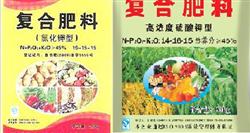
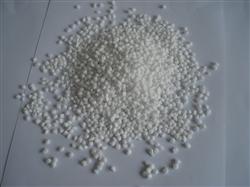
Slow-release compound fertilizer generally refers to slow-release compound fertilizer, a type of fertilizer made from ordinary compound fertilizer through special processing. Its core characteristics are a slow nutrient release rate and a long fertilizer effect period, allowing it to gradually supply nutrients such as nitrogen, phosphorus and potassium according to the fertilizer needs of crops at different growth stages. Compared with quick-acting compound fertilizer, it places more emphasis on the durability and steadiness of the fertilizer effect.
The advantages of this type of fertilizer are mainly reflected in several aspects. First, the nutrient utilization rate is relatively high, with less loss through leaching and volatilization; second, the fertilizer effect period is long, so a single application can continuously supply fertilizer over a longer period, reducing the number of topdressings and saving labor; third, nutrient release is steady, making problems such as seedling burn or late-stage nutrient deficiency less likely, and it is suitable for crops and plots with a long growth period and inconvenient topdressing.
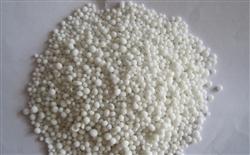
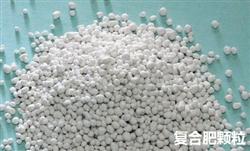
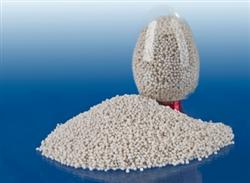
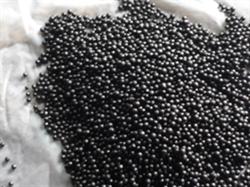
In terms of processing, slow-release compound fertilizers can be broadly divided into coated types, inhibitor types and matrix types. Coated types control nutrient release by coating the outer layer of granules with materials such as sulfur and resin; inhibitor types delay nutrient transformation by adding components such as urease inhibitors; matrix types rely on special carriers to allow nutrients to dissolve out slowly. Different types differ in release rate and applicable scenarios.
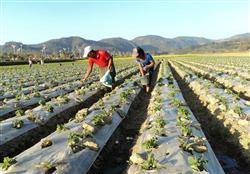
When applying, it is generally used mainly as a base fertilizer, preferably applied deeply before sowing or transplanting in combination with land preparation, and care should be taken to keep an appropriate distance from seeds and seedling roots to avoid excessively high local nutrient concentrations. After application, cover with soil firmly to prevent the coating shell from breaking too early and affecting the slow-release effect. The specific dosage should be determined in combination with soil fertility, crop type and target yield, and the product instructions can be consulted before application.
It should be noted that slow-release compound fertilizer releases relatively slowly, so if nutrient deficiency symptoms appear at the seedling stage, a small amount of quick-acting fertilizer can be used together to promote seedling growth. In high-temperature and rainy areas, nutrient release may speed up, so the application period and dosage should be adjusted appropriately. When purchasing, pay attention to checking the nutrient content, slow-release method and applicable standard; choosing products from reputable manufacturers offers more assurance.
Related reading