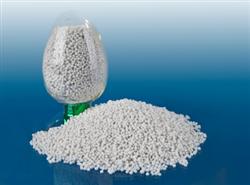
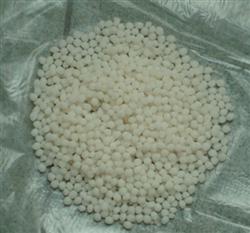
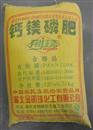
Silicon-calcium-phosphate fertilizer is an alkaline multi-element fertilizer, suitable for application on acidic soils.
Silicon-calcium-phosphate fertilizer is a multi-element fertilizer with silicon, calcium and phosphorus as its main nutrients. It is generally alkaline and is mostly processed from phosphate rock or by-product furnace slag from the phosphorus chemical industry. While supplying phosphorus, it also replenishes secondary and trace elements such as calcium and silicon, making it one of the common fertilizers used to improve and utilize acidic soils.
Compared with water-soluble phosphate fertilizers such as superphosphate, most of the phosphorus in silicon-calcium-phosphate fertilizer is citrate-soluble phosphorus, which dissolves slowly and releases gradually, giving a relatively long-lasting fertilizing effect that can be maintained for a long time after a single application. The fertilizer itself is strongly alkaline, so when applied to acidic fields it can neutralize soil acidity and reduce acid-related obstacles, thereby conditioning the soil.
In terms of crop selection, silicon-calcium-phosphate fertilizer is suitable for gramineous crops such as rice, wheat and sugarcane. After being absorbed, silicon makes the stems thick and strong and the leaves upright, enhancing lodging resistance and also helping to reduce the occurrence of diseases such as rice blast, while calcium benefits cell wall formation and root growth. Applied in acidic soil areas such as red soil and yellow soil, its effect on building soil fertility and improving the soil is even more pronounced.
When using it, base application should be the main method, and early and deep application is recommended so that the fertilizer fully contacts the soil; it can also be applied together with organic fertilizer to improve nutrient use efficiency. Because it is alkaline, it should not be mixed directly with fertilizers that volatilize and lose nutrients easily, such as ammonium nitrogen fertilizers, and on calcareous or alkaline soils it should be used sparingly or not at all, so as to avoid affecting the crop's uptake of other nutrients.
Related Reading