A Comprehensive Guide to the Role and Application Methods of Silicon-Calcium Fertilizer
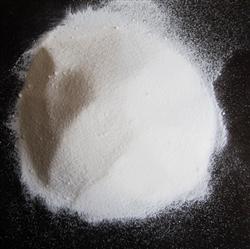
Silicon-calcium fertilizer is a fertilizer that contains two secondary elements, silicon and calcium. Common products are mostly processed from silicon- and calcium-containing mineral raw materials such as steel slag and wollastonite. They usually appear as grayish-white or grayish-brown powder or granular material and generally have an alkaline reaction. It can both supplement crops with silicon and calcium nutrients and, to a certain extent, adjust soil pH, so it is relatively widely used in acidic soil regions.
In terms of nutrient function, silicon can be deposited in crop cell walls, making stems thick and upright, enhancing lodging resistance, and to a certain extent reducing the harm of pests and diseases. Calcium is an important component of cell walls and cell membranes and participates in many physiological activities within crops. When calcium is deficient, fruits are prone to physiological disorders such as blossom-end rot and fruit cracking, and calcium supplementation helps improve quality.
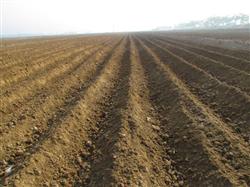
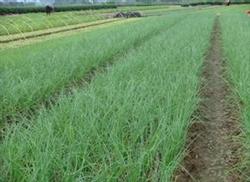
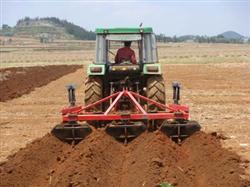
In terms of application, silicon-calcium fertilizer is mostly used as a base fertilizer. It can be evenly broadcast before plowing and then turned into the soil so that it is fully mixed with the soil. Gramineous crops such as rice, wheat, and sugarcane have a relatively obvious demand for silicon, and calcium-sensitive crops such as tomato, peanut, and Chinese cabbage are also suitable for application. The specific amount can be determined according to product instructions and in combination with soil conditions. Silicon-calcium fertilizer should preferably be applied together with organic fertilizer and reasonably combined with nitrogen, phosphorus, and potassium fertilizers in order to give full play to its comprehensive fertilizer effect.
It should be noted that silicon-calcium fertilizer belongs to secondary element fertilizers and cannot replace macroelement fertilizers such as nitrogen, phosphorus, and potassium. Most products are alkaline, so application on saline-alkali land should be cautious to avoid affecting crop uptake of other nutrients. During storage, take care to prevent moisture and caking, and during application avoid direct contact with seeds, so as to use it scientifically and reasonably.
Related Reading