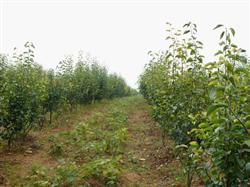
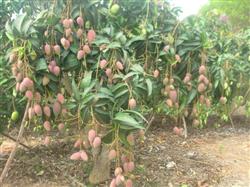
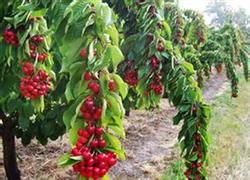
Fruit tree-specific fertilizers have highly targeted nutrients, and scientific application yields better results
Fruit tree-specific fertilizer is a type of fertilizer specially formulated for the growth characteristics and nutrient requirements of fruit trees. It usually adds secondary and trace elements such as calcium, magnesium, boron, zinc and iron on the basis of a nitrogen-phosphorus-potassium ratio, so as to meet the nutritional needs of perennial fruit trees with heavy fruit loads. Compared with general-purpose compound fertilizer, it places greater emphasis on matching nutrient supply with the growth and development stages of fruit trees.
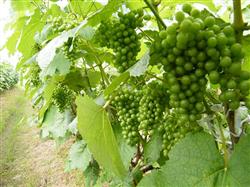
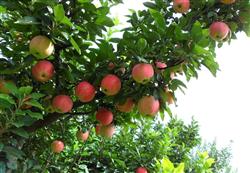
In terms of types, fruit tree-specific fertilizers on the market include both general formulas and formulas divided by tree species, such as apple-specific fertilizer, citrus-specific fertilizer and grape-specific fertilizer, as well as formulas designed for different stages such as the budbreak stage, fruit-swelling stage and post-harvest recovery stage. The nitrogen-phosphorus-potassium ratios of each formula have different emphases; for example, fruit trees need relatively more nitrogen before and after budbreak and flowering, while the demand for potassium rises markedly after entering the fruit-swelling stage.
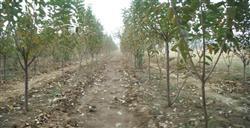
When applying, it can generally be used as a base fertilizer by trenching or hole application, or it can be applied as a topdressing several times during the growing season, with foliar spraying to supplement secondary and trace elements when necessary. The fertilization position should be distributed in the concentrated zone of absorbing roots at the edge of the tree canopy projection, avoiding large concentrated fertilization close to the trunk to prevent root damage. Special fertilizer is best used together with fully decomposed organic fertilizer; long-term application of chemical fertilizer alone easily causes soil compaction, while applying undecomposed organic fertilizer may cause root burn and breed pests and diseases.
In practice, the amount used should be adjusted according to tree age, tree vigor and fruit load. Young trees should receive lighter applications, while large fruiting trees can be appropriately increased, but blind excessive application should be avoided, otherwise it easily leads to excessive vegetative growth of shoots or flower and fruit drop. Foliar spraying should be carried out in the windless early morning or evening, and the concentration should be strictly controlled according to the instructions. Overall, special fertilizer is only an auxiliary means; only by grasping the timing and methods of fertilization and combining them with orchard soil management can the fertilizer effect be fully brought into play.
Related Reading