Characteristics and Scientific Application Methods of High-Concentration Compound Fertilizer
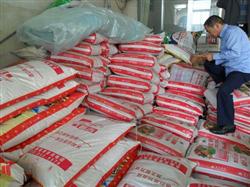
High-concentration compound fertilizer refers to compound fertilizer with a total nutrient content of nitrogen, phosphorus and potassium reaching 40% or more, and is a category relative to medium- and low-concentration compound fertilizer. It has a high content of available nutrients and few fillers, so the same weight of fertilizer can provide more nutrients, saving costs in packaging, transportation and application.
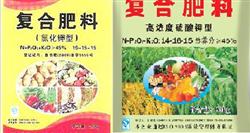
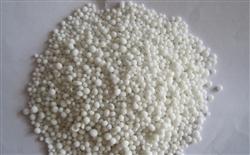
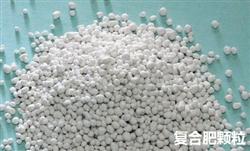
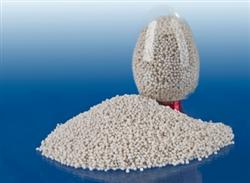
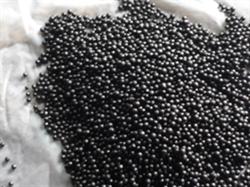
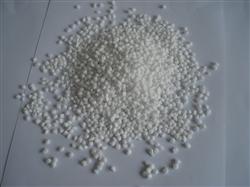
In production, urea, monoammonium phosphate, diammonium phosphate and potassium chloride or potassium sulfate are usually used as raw materials and processed into granules, so the nutrient distribution is relatively uniform. According to the different potassium sources, there are two common types: potassium chloride type and potassium sulfate type. The former has a relatively lower cost and is suitable for most field crops; the latter contains no chlorine and is more suitable for chlorine-sensitive crops such as tobacco, fruit trees and potatoes.
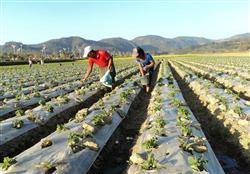
This type of fertilizer has a high nutrient concentration and a fixed ratio, and is mostly applied as a base fertilizer, or as a topdressing by furrow or hole application during the crop growing period. Because it has complete nutrients and is convenient to apply, it is suitable for large-scale planting and mechanized operations, can reduce the number of fertilization times and improve labor efficiency, and works well when crops need a combination of multiple nutrients.
Application requires attention to method: the fertilizer should be kept at an appropriate distance from seeds or roots to avoid burning seeds or seedlings due to excessively high local concentration. At the same time, a suitable nutrient ratio should be selected according to soil fertility and crop type, and medium and trace element fertilizers should be supplemented when necessary, so that the fertilizer effect can be brought into fuller play.
Related Reading