Characteristics and Application Methods of Humic Acid Phosphate Fertilizer Explained
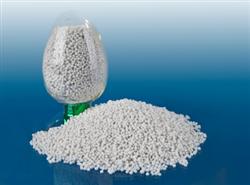
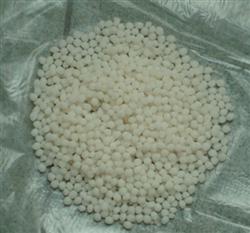
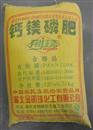
Humic acid phosphate fertilizer is an organic-inorganic compound fertilizer made by adding humic acid substances to phosphate fertilizer as the base material. It combines phosphorus nutrients with the activity of humic acid, so that it can both provide the phosphorus needed for crop growth and improve the soil. In production, phosphate fertilizers such as superphosphate are mostly used as the carrier and granulated after mixing with ammonium humate, sodium humate, and other materials.
Compared with ordinary phosphate fertilizer, humic acid phosphate fertilizer releases nutrients more steadily, and the degree to which phosphorus is fixed by the soil is somewhat reduced. Humic acid has strong complexing and adsorption capacity, which can reduce direct contact between phosphorus and elements such as calcium, iron, and aluminum in the soil, thereby improving phosphorus availability. At the same time, it can also promote the formation of soil aggregates and enhance the soil's water- and fertilizer-holding capacity.
In terms of use, humic acid phosphate fertilizer is suitable as a base fertilizer or seed fertilizer. Band application, hole application, and covering with soil give better results, and the application position should be as close as possible to the layer where roots are concentrated. It is suitable for most field crops, vegetables, and fruit trees, and performs especially well on medium- and low-yield fields or on acidified and compacted soils. When used as a base fertilizer, it can be applied together with organic fertilizer, and attention should be paid to rational combination with nitrogen fertilizer and potassium fertilizer to ensure a balanced supply of nutrients.
When applying, direct mixing with alkaline fertilizers should be avoided to prevent reactions that reduce fertilizer efficiency. During storage, it should be placed in a cool, dry place to prevent moisture and caking. The specific amount should be determined according to crop type, soil fertility status, and local fertilization practices. Where conditions permit, soil test results can be referenced to achieve scientific fertilization.
Related Reading