Characteristics, Common Types and Scientific Application Methods of Compound Fertilizer
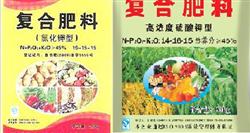
Compound fertilizer refers to fertilizer containing two or more of the three nutrients nitrogen, phosphorus and potassium, and some products also add secondary and trace elements such as sulfur, calcium, magnesium and zinc. It generally indicates the N-P-K ratio on the packaging, with a clearly stated nutrient content, and is one of the fertilizer types widely used in current field crop and cash crop production.
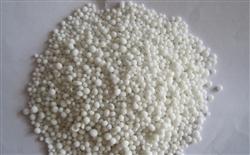
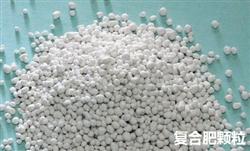
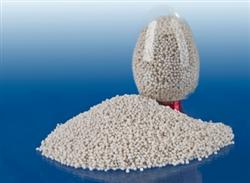
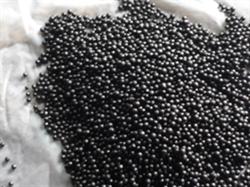
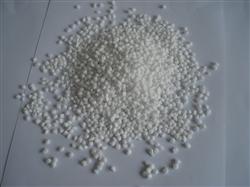
Compared with single-nutrient fertilizers, compound fertilizer contains more nutrient types and a higher concentration, so a single application can supplement multiple elements at once and reduce the labor of split fertilization. Products of better quality have uniform granules and good looseness, which makes mechanical broadcasting easier and also facilitates storage and transport.
In terms of potassium source, there are commonly two types: potassium sulfate type and potassium chloride type. The former is suitable for chlorine-sensitive crops such as tobacco, tuber crops and fruit trees, while the latter is usually lower in price but contains chlorine, so it should be used with caution on chlorine-sensitive crops. According to production technology, it can also be divided into chemically compounded fertilizer and bulk blend fertilizer. In addition, there are compound fertilizers with added humic acid, as well as water-soluble products with good solubility that are suitable for application with irrigation water.
When applied, compound fertilizer is mostly used as a base fertilizer, and can also be used as seed fertilizer or early topdressing. Take care to keep an appropriate distance from seeds and roots to avoid burning seeds and seedlings. The appropriate ratio should be selected according to soil nutrient status and crop nutrient requirements, and the application rate should follow the instructions to avoid waste or salt damage caused by excessive application.
Related Reading