Characteristics and Scientific Application Methods of Pure Fulvic Acid
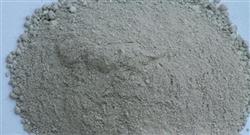
Pure fulvic acid is a fulvic acid product extracted from humic raw materials and processed through purification. It usually appears as a yellow-brown or brownish-yellow powder, and is also available in liquid form. It is a component of the humic acid family with a relatively small molecular weight and high activity, has good water solubility, and is easily absorbed and utilized by crops.
Compared with ordinary humic acid, pure fulvic acid contains more active functional groups in its molecules and has strong chelating and complexing ability. It can bind some of the medium and trace elements in the soil and supply them to crops, reducing nutrient loss through fixation. At the same time, it has strong permeability, and when used for foliar spraying it can enter the plant body relatively quickly, which helps regulate crop growth to a certain extent.
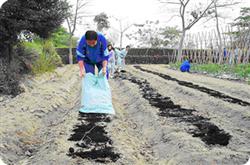
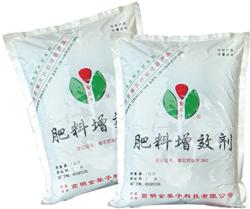
In production, pure fulvic acid is often used as a fertilizer synergist. It can be applied with irrigation water, through drip irrigation, or by foliar spraying, and can also be applied as a base fertilizer together with nitrogen, phosphorus, and potassium fertilizers. Reasonable use helps promote root development, improve soil aggregate structure, and to a certain extent enhance crop resistance to drought, cold, and other stresses. Many water-soluble fertilizer and flushing fertilizer products contain this type of ingredient.
It should be noted that pure fulvic acid itself can provide only limited nutrients and cannot replace chemical fertilizers. It should be applied together with conventional fertilizers to play a synergistic role. The specific dosage should be followed according to the product instructions, and it should be fully diluted before use. When spraying on leaves, avoid the high-temperature period at noon. During storage, keep it sealed and moisture-proof to prevent caking from dampness, which can affect dissolution. Before mixing with other materials, a small-scale test can be conducted first; if turbidity or precipitation occurs, it should not continue to be mixed.
Related Reading