Characteristics of White Phosphate Fertilizer and a Detailed Guide to Scientific Application
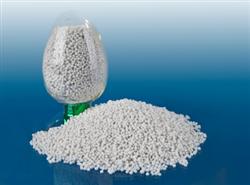
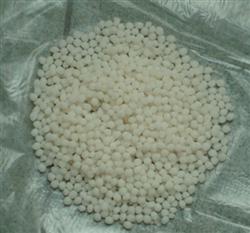
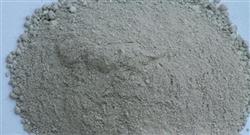
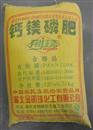
White phosphate fertilizer is the common rural name for a type of phosphate fertilizer that is grayish-white to light gray in color, and in production it usually refers to superphosphate (calcium dihydrogen phosphate). It is made mainly from phosphate rock powder treated with sulfuric acid; its main components are water-soluble monocalcium phosphate and calcium sulfate. It is a water-soluble, quick-acting phosphate fertilizer and also contains secondary elements such as calcium and sulfur.
White phosphate fertilizer is mostly in powder or granular form and has good water solubility. After being applied to the soil, it can be absorbed and used by crops fairly quickly, and it can be used as a base fertilizer, seed fertilizer and early topdressing. It is itself acidic in reaction and adapts well to both calcareous soils and acid soils, and it has a fairly obvious promoting effect on root development and strong seedlings at the seedling stage in phosphorus-deficient plots.
Application should follow proper methods. Concentrated furrow application, hole application, or application after mixing and composting with organic fertilizer are recommended, to reduce phosphorus fixation by the soil and improve fertilizer use efficiency. When used as a base fertilizer, it should be applied deeply into the main distribution layer of the crop root system; when used as a seed fertilizer, the amount should not be too large, and direct contact with seeds should be avoided. In addition, it must not be mixed with alkaline fertilizers such as plant ash and lime, otherwise the available phosphorus is easily fixed and the fertilizer effect drops markedly.
During storage, keep it protected from moisture and rain; if it becomes damp and caked, crushing it before use generally does not affect fertilizer efficiency. To judge whether a crop is phosphorus-deficient, observe its growth in the field. Phosphorus-deficient plants often show symptoms such as dark green and purplish leaf color, slow growth and reduced tillering. At this time, timely supplementary application of white phosphate fertilizer together with nitrogen and potassium fertilizers can help the crop return to normal growth fairly well.
Related Reading