An Analysis of the Characteristics and Scientific Application Methods of Amino Acid Compound Fertilizer
Amino acid compound fertilizer is a type of compound fertilizer made mainly from amino acids obtained by the hydrolysis of animal and plant proteins, then scientifically blended with nitrogen, phosphorus, potassium and secondary and trace elements. Amino acids are the basic units that make up proteins and can be directly absorbed and used by crop roots and leaves, so this type of fertilizer can both supply nutrients quickly and has the conditioning effect of organic nutrients.
In terms of nutrient characteristics, amino acid molecules can chelate with secondary and trace elements such as calcium, magnesium, iron and zinc, reducing the fixation and loss of nutrients in the soil and improving fertilizer use efficiency. At the same time, amino acids can also stimulate root development and enhance the crop's resistance to stresses such as drought and cold; after application, crops often show well-developed roots and dark green leaves, and fruit quality also improves to a certain extent.
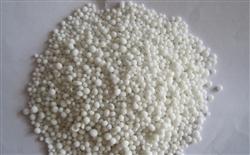
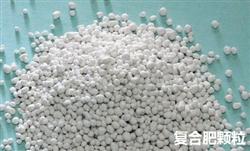
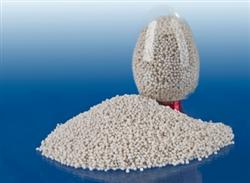
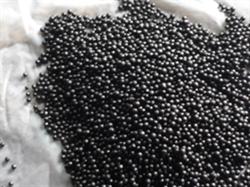
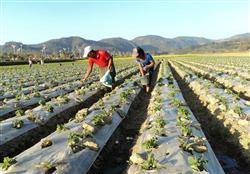
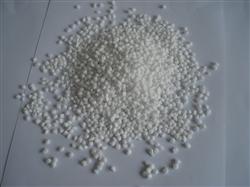
This type of fertilizer comes in various forms, commonly granular, powder and water-soluble. The water-soluble type is suitable for flushing application, drip irrigation and foliar spraying, while the granular type is mostly used as a base fertilizer or topdressing. It can be used on vegetables, fruit trees, tea and field crops; the specific dosage should be flexibly adjusted according to crop type, growth stage and soil fertility, avoiding blindly increasing the dosage.
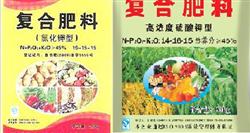
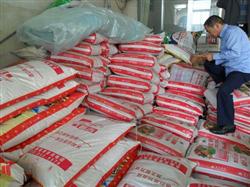
When purchasing, make sure to choose products from reputable manufacturers and pay attention to the amino acid content and nitrogen-phosphorus-potassium nutrient labeling on the packaging to avoid buying inferior products passed off as good ones. During application, avoid directly mixing with strongly alkaline pesticides and fertilizers, so as not to affect amino acid activity; cover with soil or water promptly after application, and the fertilizer effect will be more stable and lasting.
Related Reading