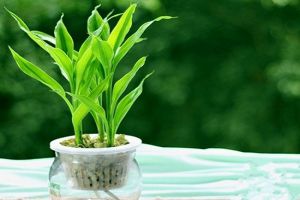
There are many kinds of flowers you can grow in water, and choosing the right varieties makes them easy to care for
Flowers grown in water usually refer to ornamental plants cultivated through hydroponics, which means soaking the plant roots in clean water or a nutrient solution so they grow in a soil-free environment. This method is clean and tidy, does not easily breed soil pests, and looks fresh and elegant placed on a desk or windowsill, so it is becoming more and more popular.
There are quite a few flowers suitable for hydroponics. Pothos, lucky bamboo, pennywort, peace lily, hyacinth and narcissus are all common choices; their stems or roots adapt strongly to the water environment, and a cut stem placed in clean water often grows new roots within a few days. Some plants that were originally grown in soil, such as spider plant and clivia, can also be converted to water culture after their roots are washed clean.
For care, pay attention to changing the water frequently and keeping the water clean. In summer you can appropriately increase the frequency of water changes, while in winter you can lengthen the interval. The water level should not be too deep; just enough to cover most of the roots, leaving some space for the roots to breathe. As for light, most hydroponic flowers like bright, indirect light, and long exposure to strong sun should be avoided, so that the water temperature does not rise and algae do not grow. If you want the plant to grow more vigorously, you can add a few drops of hydroponic nutrient solution when changing the water.
The common problems are mainly yellow leaves and root rot. Yellow leaves are mostly related to insufficient light, lack of nutrients or deteriorating water quality, while root rot is often caused by not changing the water in time or too deep a water level. If you find root rot, promptly cut off the rotten parts, clean the container and start the hydroponics again; usually the plant will slowly recover.
Related Reading