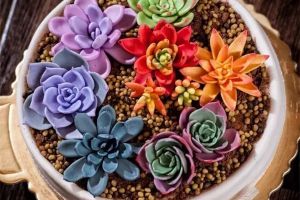
Coco coir is a common growing medium for gardening, and it needs to be soaked and rinsed before use.
Coco coir is a natural byproduct produced during the processing of coconut husk fiber. After crushing, screening and sterilization, it becomes a common growing medium, and some people also call it coconut husk coir or coconut fiber. It is usually dark brown and loose in texture, and commercially available products are typically compressed into brick form. It is widely used for raising seedlings, potted plants and soilless cultivation.
Coco coir has excellent water retention and air permeability. It can hold moisture while not easily keeping the roots stuffy and wet for long periods, and its pH is close to neutral, making it suitable for the growth of most plants. It is lightweight, clean and hygienic, and carries relatively few pathogens and insect eggs. However, coco coir itself has very low nutrient content and can hardly replace fertilizer, so normal fertilization is still needed when using it.
Coco coir bricks on the market need to be soaked in clean water before use, and after soaking they expand to several times their volume. Some coco coir has a relatively high salt content, so after soaking it is best to rinse it several more times with clean water to avoid salt irritating the plant roots. When planting, coco coir can also be mixed with perlite, vermiculite, peat and other media for a more balanced combination of water retention and air permeability.
In practical use, coco coir is often used for sowing and raising seedlings, rooting cuttings and preparing potting soil. Common flowers such as roses, gardenias and clivia can all be grown in soil mixes that include it. It should be noted that it is not recommended to grow plants in pure coco coir alone for the long term. Only by mixing it with other media and supplementing fertilizer on schedule can the plants grow more vigorously.
Related Reading