Rubber plants can bloom, but flowers are rarely seen on potted houseplants
The rubber plant (Ficus elastica) can indeed bloom, but it is not grown primarily for its flowers. In tropical places of origin such as India and Myanmar, rubber plants that have grown for many years can flower and fruit naturally, but their flowers are syconia, hidden inside the receptacle, and extremely inconspicuous in appearance, so they are easily overlooked even when they do bloom.
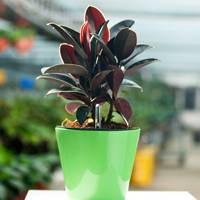
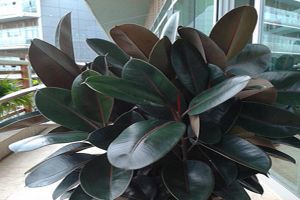
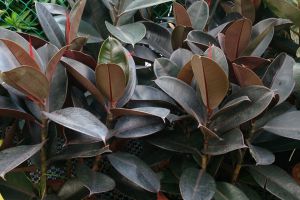
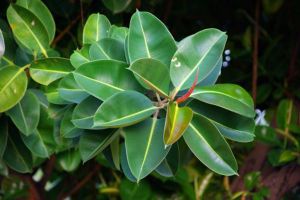
In a home potting environment, rubber plants very rarely bloom. This is mainly related to growing conditions: indoor light is on the weak side, the day-night temperature difference is small, air humidity is insufficient, and the limited space of a pot makes it hard for the plant to accumulate the nutrients needed for flowering. As a result, many plant lovers grow them for years and always see only their thick, glossy leaves.
Though flowering is rare, daily care can still make the plant grow more robust. Usually place it in a bright spot and avoid long periods of shade; during the growing season keep the potting soil moist but not waterlogged, and add a little dilute fertilizer as appropriate; in winter take care to keep it warm and prevent cold damage. A well-grown rubber plant is not guaranteed to flower, but its leaves will be a deeper green and more glossy.
In fact, the value of the rubber plant lies mainly in its foliage. Its leaves are broad and thick and evergreen all year round, making a striking display in a living room or study, and they also help improve the indoor environment to some extent. So there is no need to fret over whether it blooms; growing the leaves well already achieves the ornamental purpose. If you notice white spots, drooping or wilting on the leaves, it is usually related to watering, light or environmental changes, and adjusting your care methods in time will take care of it.
Related Reading