The rubber plant (Ficus elastica) is a common indoor foliage plant that is simple and easy to care for
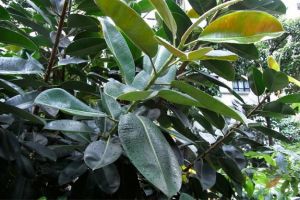
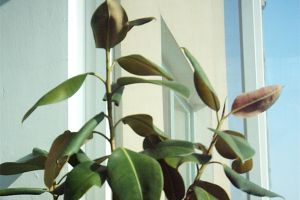
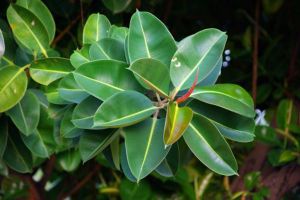
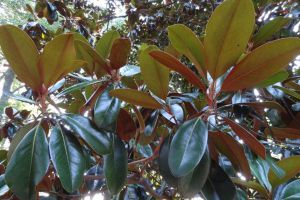
The rubber plant is an evergreen tree in the genus Ficus of the mulberry family, native to tropical regions such as India and Myanmar. Because its stems and leaves exude a white milky sap when broken, it was once regarded as a source of rubber, which is how it got its name. Its leaves are broad, thick, leathery and glossy, and its form is upright and imposing, making it a very popular indoor foliage plant.
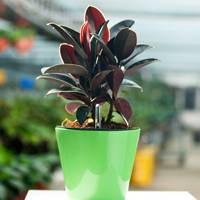
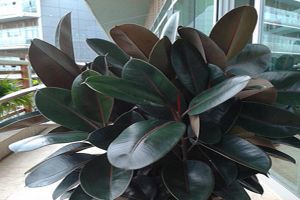
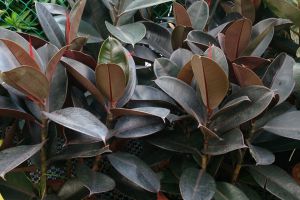
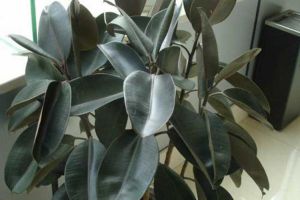
There are quite a few common cultivated varieties, such as Black Prince with dark green, shiny leaves, the variegated rubber plant with yellow-white markings on the leaf surface, and the golden-edged rubber plant, each with distinctive leaf colors. The rubber plant has fairly strong adaptability to its environment; a large specimen placed in the living room can anchor the space, while a small potted plant is also suitable for a study or office.
When it comes to care, the rubber plant likes a warm, humid environment and bright indirect light. In summer, avoid strong direct sunlight to prevent the leaves from being scorched. Watering follows the principle of letting the soil dry between waterings: wait until the surface of the potting soil is dry, then water thoroughly at once. Never let water accumulate for long periods, as this causes root rot. During the growing season, apply some diluted liquid fertilizer as appropriate, and often wipe the leaf surface with a damp cloth to keep the leaves clean and glossy.
Many people are concerned about whether the rubber plant is toxic. The white milky sap it exudes is mildly toxic; contact with the skin may cause discomfort, and ingestion poses a greater risk. So it is best to wear gloves when pruning, and households with young children or pets should make sure they do not chew on the leaves or stems. Displaying it normally for ornament is completely fine, which is one reason it is often recommended for the living room.
In everyday care, problems mostly show up on the leaves. White spots on the leaf surface are often related to pests such as scale insects, while drooping, wilted leaves are mostly caused by overwatering, a sudden drop in temperature or a sudden change in environment. Once noticed, promptly adjust the watering frequency, move the plant to a warm, stable spot, and prune off the severely damaged leaves; the plant will soon recover.
Related Reading