Fragrant viburnum blooms in early spring with a strong scent, making it a cold-hardy, easy-to-grow ornamental shrub
Fragrant viburnum (Viburnum farreri) is a deciduous shrub in the genus Viburnum, also known in many regions as fragrant spring viburnum. It is native to the mountainous areas of northern China and is a traditional ornamental flowering shrub that blooms in early spring. Its most notable trait is that it flowers before it leafs out. Every year in late winter and early spring, when the branches are still bare, clusters of small pinkish-white flowers open one after another, with a fresh, sweet fragrance that can be smelled from some distance away.
Its form is spreading with an open, airy branch structure. The buds are pinkish, and the open flowers tend toward white, looking lovely in clusters along the branches. After the flowering period it also produces small red fruits that remain on the plant for a long time, making it good for both flowers and fruit. Among early-spring flowering shrubs, its bloom time is remarkably early, and it is often used to accent courtyards and roadsides; a few cut branches in a vase also bring plenty of spring atmosphere.
For care, fragrant viburnum prefers a spot with ample light and also tolerates partial shade. It likes a cool, moist climate and is fairly cold-hardy, so it can overwinter outdoors in most of northern China. It does best in deep, loose, fertile, well-drained soil and is most afraid of waterlogging, which rots the roots. Watering can follow the principle of letting the soil dry before watering again; in the growing season, keeping the soil slightly moist is enough. Watering once before winter with an antifreeze watering helps it overwinter better.
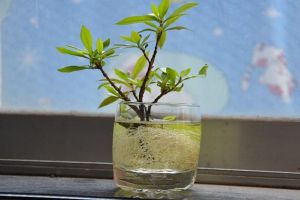
After flowering, a pruning is best: promptly cut off spent flowers and overly dense or overly long branches. This keeps the plant's shape attractive and reduces nutrient consumption, so it blooms more heavily the following year. Propagation is commonly by cuttings, sowing, or division, all fairly easy to do for home growers. Note that it does not tolerate intense heat or waterlogging; in hot southern regions, provide shade and ventilation in summer and ensure timely drainage during the rainy season. If you want a fuller crop of red fruits, plant two or more shrubs so they cross-pollinate, which gives better results.
Related reading