Common Causes of Yellowing Leaves on Sago Palms and How to Treat Them
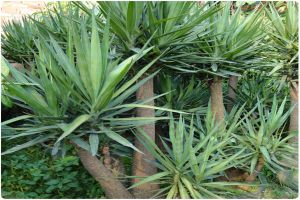
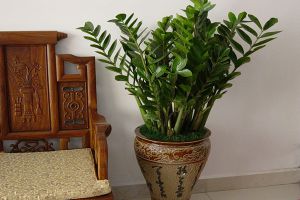
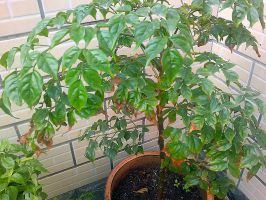
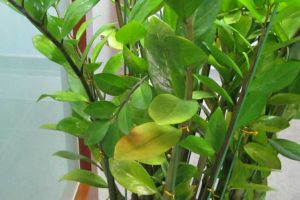
The sago palm, also known as the cycad, is a common foliage plant with hard, deep green leaves that stay evergreen all year round. In day-to-day care, yellowing leaves on sago palms are a fairly common problem, usually showing up as scorched yellow leaf tips, entire leaves turning yellow, or yellow blotches on the leaves, and it is often a signal that the growing environment is unsuitable or the care is off.
There are several main causes of yellow leaves. Overwatering waterlogs the potting soil, which obstructs root respiration and easily turns the leaves yellow; prolonged lack of water or dry air can also dry out and yellow the leaf tips. Insufficient light makes the leaf color fade, while intense sunlight in summer can scorch the leaves. In addition, alkaline soil, a lack of iron, or temperatures that are too low and cause freeze damage can likewise bring on yellow leaves.
Once you notice yellowing leaves on a sago palm, first work out the cause and then treat it accordingly. Follow the principle of not watering until the soil is dry, and watering thoroughly when you do, to avoid water accumulating in the pot; place the plant in a bright, well-ventilated spot and shade it appropriately in summer. If you suspect an iron deficiency, you can add some ferrous sulfate during the growing season, or repot it in loose, fertile, slightly acidic soil. Leaves that have already turned yellow generally cannot turn green again, so you can cut them off promptly to reduce nutrient consumption.
It is worth noting that old leaves at the base of a sago palm turning yellow through natural senescence is normal and nothing to worry about too much. In everyday care, keeping the soil slightly acidic, with moderate water and fertilizer and a warm environment, will let the sago palm keep its leaves glossy green and look even better.
Related Reading