Madeira vine is easy to grow and practical; master the method and its vines and leaves will flourish
Madeira vine, botanical name Anredera cordifolia, is a perennial climbing plant in the Basellaceae family, native to tropical America, and is now cultivated in many areas of southern China. Its stems and vines can climb several meters high, its leaves are thick and emerald green, small bulbils form in the leaf axils, and tubers grow at the roots; overall it grows very vigorously.
The greatest trait of Madeira vine is that it is tough and easy to grow, tolerating heat and partial shade, with low demands on soil; as long as the soil does not stay compacted and waterlogged for long periods, it will grow vigorously. Its tender leaves can be eaten as a vegetable, with a smooth, tender texture, and are often stir-fried or used in soup; the tubers and bulbils are also commonly used in folk practice, mostly for tonic and restorative purposes, but if you intend to use it medicinally, it is best to consult a doctor first.
For growing Madeira vine at home, both ground planting and container planting work. It likes a warm, humid environment; during the growing season, just keep the soil slightly moist, and never overwater, which causes root rot. In summer, when temperatures are high, provide some shade, and when winter temperatures are low, protect it from the cold; in northern regions it is best to move it indoors to overwinter. If grown in a pot, you can set up a trellis to let the vines climb naturally, which looks better.
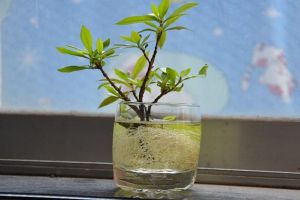
Propagating Madeira vine is not difficult: cut a stem segment with nodes and root it as a cutting, keeping it moist, and it roots and survives very easily; you can also bury the bulbils directly in the soil, and new shoots will soon emerge. Because it grows rapidly, regular pruning not only controls the plant's shape but also encourages side branches to sprout, making the whole plant fuller and more luxuriant.
Related Reading