A Detailed Guide to the Characteristics, Common Varieties and Care Methods of Hydroponic Plants
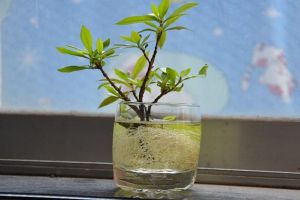
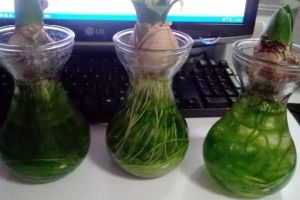
Hydroponic plants are plants grown without soil, with their roots fixed directly in water or a nutrient solution. Their roots are submerged in a transparent container, so they can both absorb water and nutrients and be easily observed as they grow, making this a very popular home gardening method in recent years.
Compared with soil culture, the biggest characteristic of hydroponic plants is that they are clean and hygienic: they do not dirty tabletops or floors, and they are not prone to breeding soil-borne pests and diseases. They are relatively hassle-free to care for, and they look beautiful placed on a windowsill, desk or in the living room, making them especially suitable for beginners who lack planting experience.
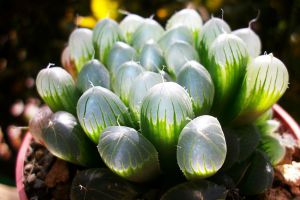
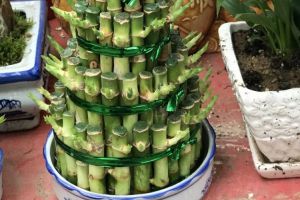
There are many plant varieties suitable for hydroponics. Common ones include lucky bamboo, pothos, spider plant, pennywort, peace lily and hyacinth. Some succulents such as Haworthia cooperi can also adapt to a hydroponic environment, and flowers like gardenia can likewise be grown hydroponically after acclimatization. When choosing, it is best to pick species that tolerate moisture and root easily.
The key to hydroponic care lies in water quality and changing the water. Tap water is best left to stand for a day or two before use. In summer, when temperatures are high, the water should be changed frequently. The water level should be just enough to submerge most of the roots while leaving some space for them to breathe. During the peak growing season, an appropriate amount of hydroponic nutrient solution can be added, and the plant should be placed in a spot with bright, indirect light, avoiding prolonged exposure to strong direct sun.
The main common problem is root rot, which shows up as roots turning black and smelling bad, mostly caused by deteriorating water quality, not changing the water for a long time, or over-fertilizing. Once discovered, the rotted parts should be trimmed off promptly, the container and roots washed, and the plant then grown in fresh clean water. Green algae also tend to grow in the water; when changing the water, the inner walls of the container can be scrubbed clean to keep the water fresh and clear.
Related Reading