Spider lily blooms look like spiders; master the key care tips to grow it easily
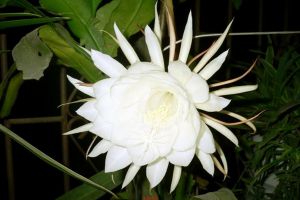
The spider lily (Hymenocallis) is a perennial bulbous herbaceous plant in the amaryllis family (Amaryllidaceae), native to tropical America and commonly cultivated in South China. Its flowers are pure white and elegant, with slender perianth segments extending outward and joined at the base into a cup shape, so that the whole flower resembles a spider with long legs spread open, which is why it is also called the spider lily. The flowering period is mostly concentrated in summer and autumn, and the blooms carry a faint, delicate fragrance.
For caring for the spider lily, the environment is very important. It prefers a warm, humid climate with plenty of sunlight, and can also tolerate partial shade; in spring, autumn and winter it can be given plenty of sun, while in the heat of midsummer it needs only appropriate shading. It is not tolerant of severe cold, so once the temperature drops in early winter it should be moved indoors to a warm, bright spot to prevent the plant from freezing.
For the soil, choose a loose, fertile, well-drained sandy loam, and place some broken tile pieces at the bottom of the pot to improve aeration and drainage. During the growing season, keep the potting soil moist, but never let water accumulate, otherwise the bulb is prone to rot; during the peak growing season, apply light fertilizer frequently, and supplement with phosphorus and potassium fertilizer before budding to produce more and whiter flowers. Propagation is usually done by dividing the bulbs; when repotting in spring, simply break off the small bulbs beside the mother bulb and plant them separately.
The spider lily has an unusual and beautiful flower shape; it can be planted in the ground in courtyards or beside ponds as a landscape accent, or grown in pots on balconies and in living rooms to add greenery. In daily care, pay attention to cold protection and water control; if the leaves freeze and wither in winter, you can cut off the dead leaves and reduce watering, and the bulbs will sprout again the following spring.
Related Reading