How to Grow and Care for Haworthia: Even Beginners Can Do It Well
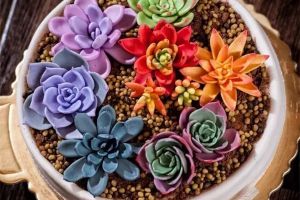
Haworthia is the collective name for succulent plants in the genus Haworthia, family Asphodelaceae, native to South Africa. The plants are mostly small and compact, with thick, juicy leaves often arranged in a rosette. Many varieties have white warty dots, stripes, or translucent window-like structures on the leaf surface, making them highly ornamental and very popular as small indoor potted plants.
Common varieties include Haworthia fasciata, Haworthia cooperi, Haworthia retusa, Haworthia truncata, and Haworthia maughanii, which differ considerably in form. Haworthia fasciata has stiff leaves with white tubercles arranged in horizontal bands and is tough and easy to grow; Haworthia cooperi, Haworthia truncata and their like have transparent windows at the leaf tips and are somewhat more demanding about light and humidity.
In terms of care, Haworthia likes bright, soft, indirect light and dislikes harsh sun exposure, so it needs appropriate shading in summer. Water according to the principle of not watering until dry, and watering thoroughly when you do; if the potting soil stays wet for a long time, the roots rot easily. The soil should be a loose, airy medium with a high proportion of grit. Keep the environment warm in winter and reduce watering, and the plant will generally overwinter successfully.
In daily management, the common problems are mainly of two kinds: when light is insufficient, the plant tends to become leggy and loose; when watered too much, the leaves become soft and the roots rot. If root rot is found, remove the plant from the pot and prune promptly, let the wounds dry, and replant. Overall, Haworthia grows slowly and takes up little space, making it very suitable for keeping on a windowsill or desk for long-term care.
Related Reading