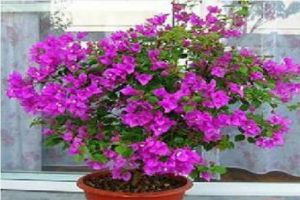
Characteristics of Bougainvillea and How to Grow It in Pots
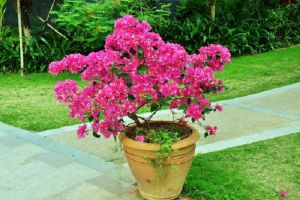
Bougainvillea is a woody climbing shrub in the genus Bougainvillea of the family Nyctaginaceae. Also known as paperflower and nine-fold kudzu, it gets its name from its brightly colored bracts, which look like flower petals. It is native to South America and is now widely cultivated in southern China, often used for courtyard landscaping and climbing over trellises, and it is also very suitable for growing in pots on balconies for ornamental display.
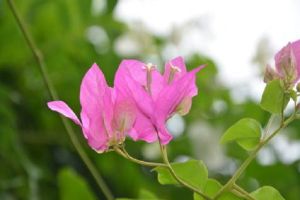
The most striking feature of bougainvillea is that its true flowers are tiny and inconspicuous. The three colorful bracts that people admire are actually modified leaves, ranging in color from red, pink, purple, orange and yellow to many bicolors, and they remain ornamental for a fairly long period. There are many common cultivars; in terms of plant form, there are both vining types with soft branches that are suitable for climbing and shaping, and upright types with thick, sturdy stems that can be trained into bonsai-like specimens.
As for care, bougainvillea likes full sunlight and a warm environment. The more light it gets, the more it blooms; long periods of shade tend to cause leggy growth and sparse flowering. For pot culture, choose loose, airy, well-draining soil, and water according to the principle of letting the soil dry before watering again. Before the flowering period, you can moderately restrict water to help promote flower bud differentiation. It is not cold-tolerant, so in regions with low winter temperatures it needs to be moved indoors or given cold protection.
Pruning and after-bloom care are equally important. Cutting back spent flowering branches appropriately can reduce nutrient consumption and encourage new shoots to sprout. Combined with ample light and light, frequent feeding, the plant is more likely to set buds again. The most common problem is growing only leaves and no flowers, which is generally related to insufficient light, overwatering, or too much nitrogen fertilizer; adjusting the care routine promptly can gradually improve the situation.
Related Reading