Detailed Guide to Pruning Bougainvillea After Blooming
I. How to Prune
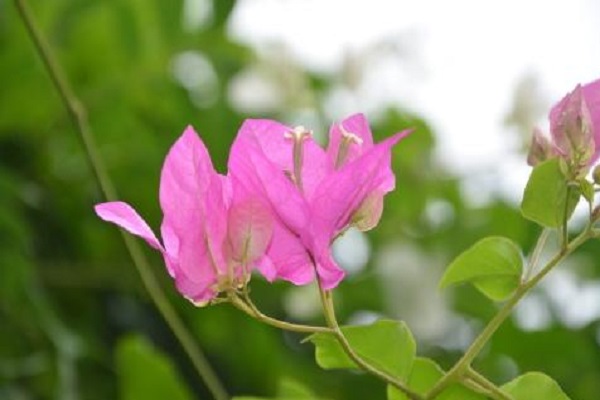
Its flowers are purple or red and grow only at the tips of the branches. After it has bloomed, the spent flowers remain on the branches, and we need to prune them off. This not only makes it more attractive but also reduces its nutrient consumption. When pruning, we should know that it is very tolerant of pruning, so there is no need to worry about cutting it badly.
After it blooms, we first need to trim the flowering branches. There is no need to cut them back too much; just trim a little off the top. If a branch is relatively long, you can cut off one third or two thirds of it, or design a shape for it.
Pruning its branches is to keep its nutrients from being wasted, grow more branches, and make the shape more compact. So after it blooms, you can thin out its branches, remove the withered branches, cut off the thin and spindly branches, and also cut back the side branches. This allows it to grow more new shoots.
II. Pruning Methods
1. Short pruning
This means cutting off one section of a branch that has grown for a year. If you cut off half or one third, it is called heavy short pruning. If you cut off only one third or less, it is called light short pruning. This kind of pruning stimulates the buds below it relatively strongly, allowing the new branches that grow out to develop as quickly as possible, but it weakens the thickening of the main trunk.
2. Thinning pruning
Cutting off branches that have grown for one year or many years is thinning pruning. It helps promote the sprouting and growth of the buds and branches below the cut. This kind of pruning can reduce branch density, increase the light inside, and help the plant grow.
3. Renewal pruning
Removing branches that have grown for many years is called renewal pruning. It is very effective for the growth of the branches and buds behind the cut. This method is used to make an old plant become robust again. If there are many places that need to be cut, you can cut them in several separate sessions.