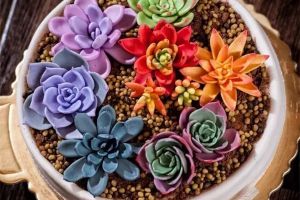
How Can Beginners Grow Flowers That Bloom Abundantly? These Care Points Are Key
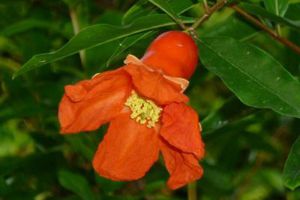
Growing flowers refers to a home gardening activity in which daily care such as watering, fertilizing, pruning, and repotting keeps flowers growing healthily and blooming on schedule. Whether it is Chinese rose and pomegranate on a balcony, or pothos and clivia indoors, as long as the methods are right, an ordinary household can also grow flowers with lush branches and leaves.
The key to growing flowers lies in understanding the habits of the plants. Light-loving plants such as Chinese rose and jasmine need plenty of sunlight and are suitable for a south-facing balcony or windowsill; shade-tolerant plants such as pothos and asparagus fern prefer diffused light, and during the high temperatures of summer they should be shaded appropriately. Watering follows the principle of "dry then wet": wait until the surface of the potting soil dries, then water thoroughly once, avoiding water accumulation in the pot that can cause root rot.
Soil and fertilizing also cannot be neglected. Most flowers prefer loose, airy, well-draining soil, which can be mixed from leaf mold with garden soil and a small amount of river sand. During the peak growing season, apply light fertilizer frequently; supplementing appropriately with phosphorus and potassium fertilizer before flowering helps flower bud differentiation; after flowering, promptly cut off spent flowers and dead branches, which both keeps the plant shape attractive and reduces nutrient consumption.
Problems beginners often encounter, such as yellow leaves, bud drop, and failure to bloom, are mostly related to overwatering, insufficient light, or poor ventilation. When abnormalities appear, first check the care environment, then adjust gradually. Growing flowers depends on persistent observation and accumulated experience; with more daily care, over time you will naturally become thoroughly familiar with it.
Related Reading