Clever Ways to Repel Mosquitoes: Home Mosquito-Repelling Methods and Plant Recommendations
Mosquito repellence refers to the practice of reducing mosquito bites through physical, chemical or biological means. Mosquitoes are active in summer and during the rainy season, so repelling them well not only helps avoid the itchy torment of bites but also helps lower the risk of mosquito-borne disease transmission.
Common mosquito-repelling methods fall roughly into a few categories. Physical repellence includes installing window and door screens, using mosquito nets and clearing standing water, so as to stop mosquitoes from breeding and entering the home at the source; chemical repellence commonly uses products such as mosquito coils, electric liquid repellents and repellent sprays, and when using them you should keep the room ventilated and follow the instructions.
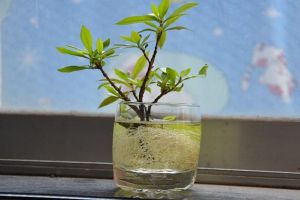
Growing some mosquito-repelling plants at home is also very popular, such as mint, mosquito-repellent plant (Pelargonium citrosum), mugwort (Artemisia argyi) and rosemary (Rosmarinus officinalis). The scent given off by these plants has a certain deterrent effect on mosquitoes, and they can also decorate the room and freshen the air. However, the effect of plant-based mosquito repellence is relatively mild, so it is better suited as a supplementary measure, and works better when combined with screens, mosquito nets and the like.
In daily mosquito control you should also pay attention to environmental management: promptly clear containers that easily collect water, such as flower pot saucers, buckets and old tires, and keep courtyard drainage unobstructed, which can effectively reduce mosquito breeding. When going outdoors, try to wear light-colored long-sleeved clothing, and take protective measures in advance before activities in grassy areas or near water, so you can suffer less disturbance from mosquitoes throughout the summer.
Related Reading