Gaura Growing Methods and Precautions, with a Full Analysis of Its Blooming Characteristics
Gaura, also known as Lindheimer's beeblossom and white butterfly flower, is a perennial herbaceous plant in the genus Gaura of the family Onagraceae. It is native to North America, and today it is cultivated in gardens and courtyards all over the country. Its stems are slender and upright, and the flowers are as white as snow when they first open, then gradually blush to pink, so from a distance they look like a flock of butterflies resting on the branches, giving a very lively ornamental effect. A single flower usually opens in the evening and withers the next day, but the plant produces a great many buds, opening one after another, so the overall blooming period can last from late spring into autumn.
To grow gaura, the first thing is to give it plenty of light. It likes a sunny environment; the more light it gets, the more flowers it produces and the more upright its branches are. It is fairly drought-tolerant and hates waterlogging most of all, so watering should simply follow the principle of watering when dry and letting it dry out between waterings. During the rainy season, make sure to drain promptly, otherwise the roots rot easily. It is not demanding about soil; loose, airy, well-drained sandy loam is most suitable, and it can be grown both in the ground and in pots. It has a certain cold tolerance, so in warm regions it can overwinter outdoors, while in cold regions it is best covered for insulation in winter or moved to a sheltered, sunny spot.
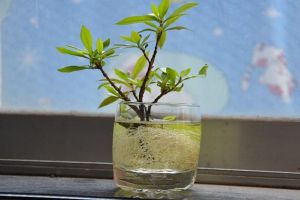
Propagation is mainly by sowing and cuttings. Sowing in spring brings seedlings quickly, and cuttings taken from vigorous branches during the growing season also root easily. In landscaping, gaura is often planted at the edges of flower borders, beside paths or in a corner of the courtyard, and it can also be used as a cut flower or grown in pots for ornament. Swaying in the wind, it has a light and graceful posture that adds a natural wild charm to the landscape.
In daily care, keep the environment well ventilated. In hot, humid, stuffy conditions it easily attracts aphids or develops diseases, which should be dealt with promptly once found. Gaura grows quickly, so when grown in a pot, if the plant gets too tall, it can be pruned appropriately or given support to prevent lodging that would spoil its ornamental value.
Related Reading