Cutting Propagation Methods and Tips: Master Them for a Higher Survival Rate
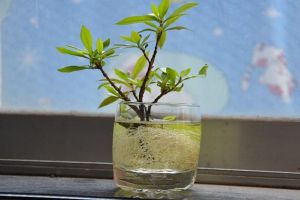
Cutting is a common method of asexual propagation in plants. It refers to cutting stem sections, leaves or root sections and other vegetative organs from a plant and inserting them into a substrate such as sand or vermiculite to encourage them to take root and sprout, growing into independent new plants. This method does not require pollination and seed setting, can fully preserve the variety characteristics of the mother plant, and is simple to perform and very low in cost, making it a common propagation method for both home flower growing and nursery seedling cultivation.
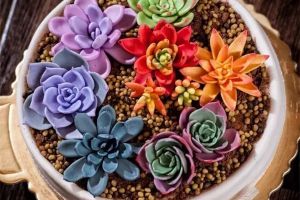
According to the different organs used, cuttings can be divided into stem cuttings, leaf cuttings and root cuttings. Stem cuttings are the most common and are further divided into hardwood cuttings and softwood cuttings; many flowers such as roses and gardenias are suitable for stem cuttings. Leaf cuttings are mostly used for succulents, snake plants (Sansevieria) and similar varieties whose leaves can sprout new roots and buds. Root cuttings are suitable for some plants whose roots easily produce adventitious buds.
To improve the survival rate, the selection and handling of the cuttings are crucial. Generally, choose healthy branches free of pests and diseases, keep two or three bud nodes, make the cut smooth, and if necessary dip them in rooting powder to promote rooting. The substrate should be loose, breathable and well draining. After cutting, keep the substrate slightly moist and the environment warm, place it in a well-ventilated spot with scattered light, and avoid direct sun exposure. Once new roots have grown, gradually increase the light and transplant.
Many flower growers encounter blackened, rotting cuttings, which is mostly caused by a substrate that is too wet, poor ventilation or wound infection. During the cutting period, do not frequently pull up the cuttings to check on rooting; keeping the environment stable is more conducive to rooting. Master these key points, and even beginners can succeed at cuttings with ease.
Related Reading