Growing a Cuban oregano takes some care: get the light and watering right and it will thrive
Cuban oregano (Plectranthus amboinicus) is a perennial shrubby herb in the Lamiaceae family, with thick, rounded leaves covered in a fine layer of fuzz. The origin of its name is quite interesting: normally its fragrance stays hidden, but the moment a finger touches the leaves or stems, it gives off a fresh scent like a mix of apple and mint. The more you touch it, the stronger the scent, which is why some people also call it "one-touch fragrance" or "touch-and-keep fragrance." The aroma comes from the glandular hairs on the leaves; only after they are touched do the aromatic compounds inside volatilize.
When it comes to care, Cuban oregano likes a warm, dry, sunny environment, and it is drought-tolerant but hates waterlogging. A loose, breathable, well-draining sandy soil is the best choice for the potting mix. Follow the principle of keeping it dry rather than wet when watering: wait until the soil has dried out completely before watering again, because standing water easily causes root rot and yellow leaves. With ample light, the plant stays compact and the scent is stronger; with long-term lack of light, it tends to grow leggy with thin, weak branches.
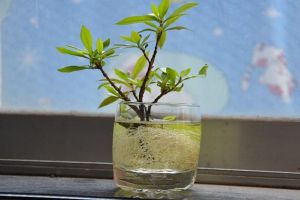
In daily management, pinching and topping the plant appropriately during the growing season can encourage side branches and make the whole plant grow full and rounded. Propagation is mainly by cuttings: cut a healthy branch and insert it into slightly moist soil, place it in a ventilated, bright spot, and the rooting and survival rate is very high, so even beginners can do it easily. It is not cold-tolerant in winter; when temperatures drop, move it indoors to a sunny spot and reduce watering to help it overwinter safely.
Cuban oregano is small and compact, making it suitable for placing on a balcony, windowsill or desk. It is both an ornamental green plant and refreshing to smell. Its leaves carry a light fragrance, and in some regions it is also used as a herb: pick a few leaves to brew tea or add to dishes for extra aroma. Overall, as long as you water sparingly, give it plenty of light and keep it warm, this little herb is very easy to grow.
Related Reading