Growing Pothos Is Not Difficult: Master the Key Points and It Stays Green All Year Round
Pothos (Epipremnum aureum) is a perennial evergreen climbing plant in the Araceae family. Its leaves are heart-shaped and emerald green all year round, and its vines are slender and soft. It can be displayed trailing from a hanging basket or allowed to climb up a pole, making it one of the most common foliage plants in homes and offices. It is tough and undemanding about its environment, and many plant lovers call it the first plant for beginners.
Common cultivated varieties include the green-leaf pothos, golden pothos, and marbled pothos. The green-leaf pothos has pure green leaves, grows vigorously, and is hardy and easy to care for; golden pothos has yellow markings on the leaf surface, giving it a bright tone; marbled pothos is dotted with white or pale patches, and each has its own ornamental appeal. The habits of these varieties are similar, and the care methods are basically the same.
For pothos care, you can remember a few key words: warm, humid, and semi-shade. It dislikes direct strong sunlight, so a windowsill with bright indirect light is the most suitable spot. As for watering, let it dry out between waterings: water thoroughly only after the surface of the potting soil has dried. Never let water sit in the pot for long periods, as this causes root rot. During the peak growing season, apply dilute fertilizer frequently; after winter arrives, keep it warm and protected from the cold, and avoid direct drafts of cold air.
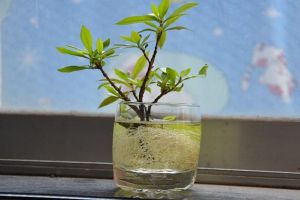
Besides growing it in soil, pothos is also very suitable for water culture. Cut a section of stem with aerial roots, place it in clean water in a spot with soft light, and change the water regularly to keep it clean. Before long it will grow white water roots, clean and hassle-free.
Pothos is mainly used for indoor greenery and decoration. Trailing, climbing, or placed on a desk, it looks beautiful, and it is also often considered to help improve indoor air. The most common problem in daily care is yellow leaves, mostly caused by overwatering, sun exposure, or low temperatures; once you identify the cause and adjust in time, it will recover. In addition, the sap of pothos is mildly irritating, so try to avoid direct contact when pruning, and prevent children or pets in the home from eating it by mistake.
Related Reading