Common Causes of Yellowing Leaves in Pothos and How to Fix Them
Pothos (Epipremnum aureum) is an evergreen foliage plant in the Araceae family, commonly used for indoor greening because it tolerates shade and is easy to grow. Yellowing leaves are the most common problem during care, and in most cases they are related to environmental factors such as watering, light, temperature and nutrients, so you need to identify the cause first and then treat it accordingly.
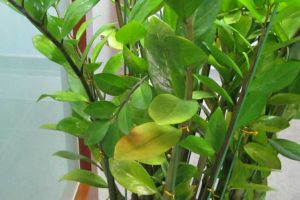
Improper watering is the primary cause of yellow leaves. Overwatering keeps the potting soil wet for a long time, hindering root respiration and even causing root rot, and the leaves often turn yellow and soft overall; long-term underwatering usually shows as dry, yellow leaf tips and edges, with the potting soil clearly dry. To judge, feel the soil first and follow the principle of watering when dry and holding back when wet.
Unsuitable light and temperature can also cause yellow leaves. Pothos likes bright indirect light, and prolonged exposure to strong sun easily scorches it, producing yellow-brown patches on the leaf surface; an environment that is too dark makes the leaf color fade and turn yellow. It is not cold-hardy, and when winter temperatures are low it is prone to cold-damage yellowing of the leaves, so attention should be paid to keeping it warm and protecting it from freezing.
Insufficient nutrients will also make the leaves turn yellow. When the pot and soil are not changed for a long time and fertilizer is rarely applied, the plant is prone to nutrient deficiency, and the old leaves turn yellow and drop first; if only one or two old leaves at the bottom turn yellow occasionally, it is mostly normal metabolism and can simply be cut off in time.
When dealing with the problem, first cut off the severely yellowed leaves, then check the moisture of the potting soil and the condition of the roots; if root rot has already occurred, the roots need to be trimmed, the soil changed and the plant replanted. In daily care, place it in a spot with indirect light, keep the soil loose and well drained, and appropriately supplement with dilute liquid fertilizer during the growing season, and pothos will generally gradually return to a lush green growing state.
Related Reading