A Complete Guide to Lily of the Valley Care and Blooming Tips
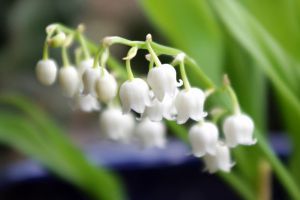
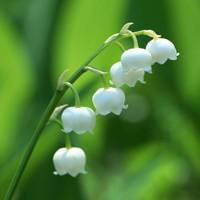
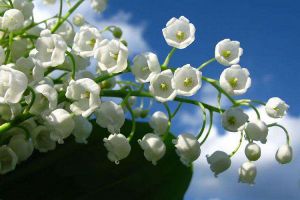
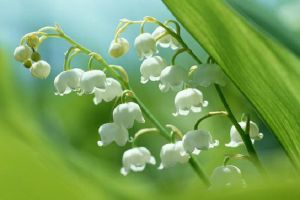
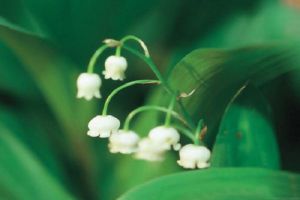
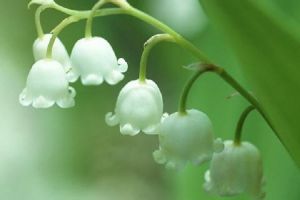
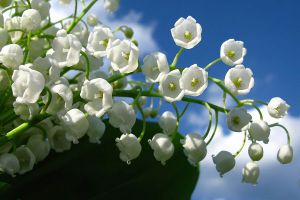
Lily of the valley (Convallaria majalis) is a perennial herbaceous plant with rhizomes, and its compact form is elegant and refined. Its leaves are emerald green and narrowly elongated; in late spring it sends up flower scapes, and clusters of small white flowers shaped like little bells hang from the stems, giving off a delicate fragrance. It is highly ornamental and suited to container growing, open-ground planting, or use as a cut flower.
Lily of the valley prefers a cool, moist, semi-shaded environment and has fairly good cold tolerance, but it dislikes high temperatures and direct strong sunlight. When cultivating it, choose loose, fertile, well-drained soil, and keep it in a spot with scattered light day to day. Water according to the principle of watering when dry and letting it dry out between waterings; long-term waterlogging in the pot is the most common cause of root rot.
If you want lily of the valley to bloom more, the key is to grow the underground rhizomes well and provide suitable light, temperature, and nutrients. During the growing season, apply light fertilizer frequently in small amounts, and promptly cut off spent flowers after blooming to reduce nutrient consumption. In regions with a suitable climate, lily of the valley planted in the ground often spreads into dense patches and grows more luxuriant year by year.
In routine care, yellowing leaves, curling, and root rot are fairly common problems. Yellow leaves are mostly related to overwatering, overly strong light, or a lack of fertilizer, while curling may be caused by dry air, lack of water, or pests, so you need to check them one by one against the growing conditions and remedy the situation. Lily of the valley can also be grown hydroponically, but the water must be kept clean and changed frequently, and if the roots turn brown and rot, they should be dealt with promptly.
It is especially important to note that the whole lily of the valley plant is toxic; however lovely its fragrance, it must not be eaten. When growing or displaying it at home, keep it out of reach of children and pets, and it is also advisable to wear gloves when pruning or dividing plants to avoid skin discomfort from contact with the sap.
Related Reading