How to Grow Lily of the Valley So It Blooms More: A Detailed Guide to Care Methods
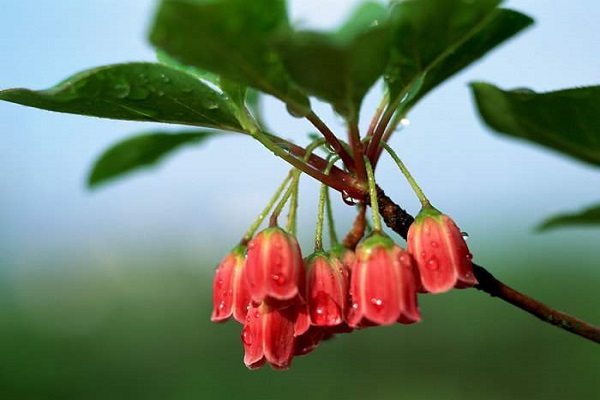
1. Flower soil
We need to give it suitable flower soil, and this must not be taken lightly. Generally speaking, the fertility it needs must not be too strong; medium or slightly above medium is acceptable. As for acidity and alkalinity, soil with a slight acidity is better. In addition, the flower soil should also have a certain degree of air permeability and water retention. This kind of flower soil can help it grow better and produce more flowers.
2. Water
Because it struggles to grow when short of water, we need to water it frequently. In daily care, we should also maintain sufficient air humidity, and the water provided to it is best if it is soft water. Special attention must be paid during its growing period, and water must be replenished in time, because this stage can directly affect its blooming. If water is insufficient, it is very likely to reduce its flowering amount.
3. Temperature
In daily care, it is best to keep it at around 20°C. Even if this cannot be achieved normally, about three weeks before blooming it must be placed at 20°C, otherwise its flowering amount will be reduced.
4. Flower fertilizer
Before blooming, it needs a certain amount of flower fertilizer supplement, because blooming consumes a large amount of nutrients. If nutrition cannot keep up at this time, then it cannot produce so many flowers. Therefore, before it blooms, we must water it with diluted fertilizer water to supplement some nutrients to support its blooming.
5. Pruning
Pruning undoubtedly has a major effect. We need to cut off its top, and the useless branches and leaves can also be cut off. In this way, nutrients are more concentrated, making it easier for it to bloom.
6. Repotting
It is best to repot once a year, as only then can it have space for its large roots. In addition, repotting can also replace flower soil whose nutrients have been depleted with new flower soil rich in nutrients, providing more nutrients to support it in producing more flowers.