A Detailed Guide to Jasmine Planting Methods and Daily Care Essentials
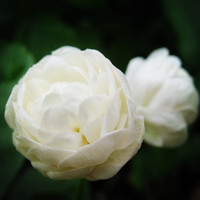
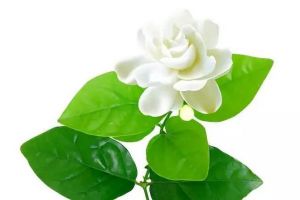
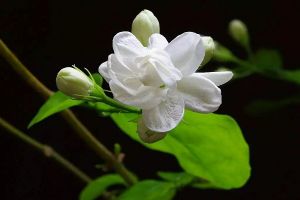
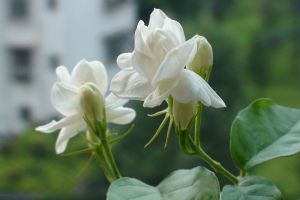
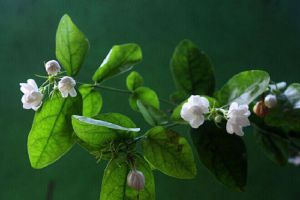
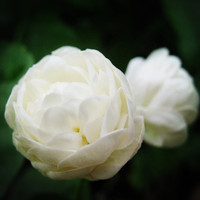
Jasmine planting refers to the whole process of cultivating jasmine (Jasminum sambac) through cuttings, division, or purchasing seedlings. Jasmine is a woody plant with evergreen branches and leaves, pure white and elegantly simple flowers, and a clear, far-reaching fragrance. It is suitable both for planting in the ground in a courtyard and for growing in a pot on a balcony for ornamental enjoyment. Once you master the basic planting methods, even beginners can grow it into a lush, leafy plant that blooms continuously.
When planting jasmine, the first step is to choose good soil and a suitable location. It prefers loose, fertile, slightly acidic soil with good drainage. You can mix leaf mold with garden soil and then add a small amount of river sand to improve aeration. Jasmine is a light-loving plant, so it should be placed on a south-facing balcony or in a courtyard with ample light. When light is insufficient, the branches tend to become thin and weak, and flowering is sparse.
In daily care, watering should follow the principle of watering when the soil is dry and letting it dry between waterings, avoiding long-term water accumulation in the pot that can cause root rot. During the peak growing season, you can apply light fertilizer frequently and appropriately supplement with phosphorus and potassium fertilizer to promote flower bud differentiation. Reasonably controlling water and increasing phosphorus and potassium fertilizer before flowering helps the plant produce more flowers with a stronger fragrance.
After flowering, promptly prune away spent flowers and overly dense branches to reduce nutrient consumption and encourage the plant to sprout new flowering branches. Common problems include yellowing leaves and bud drop, which are mostly related to overwatering, insufficient light, or soil that is too alkaline, and they require targeted adjustments. When the temperature drops in winter, pay attention to keeping the plant warm and protected from the cold, reduce watering, and let the plant overwinter smoothly so that it can grow more vigorously the following year.