What makes jasmine special in what ways?
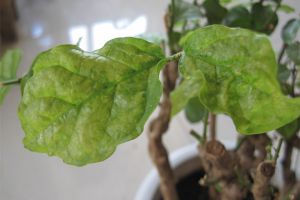
Jasmine's other names
Jasmine, Xianghun, Molihua, Meili, Meili, Mali, Moli, Mali, Muliihua
Jasmine's growing habits
Jasmine mostly grows in warm, humid environments, and grows best in a well-ventilated, semi-shaded environment. The most suitable soil is slightly acidic sandy soil containing a large amount of humus.
Most varieties are afraid of cold and drought, and cannot tolerate frost, waterlogging or alkaline soil. When the winter temperature is below 3°C, the branches and leaves are prone to frost damage, and if it lasts a long time, they will die.
Jasmine's flower language
You are my life.
White jasmine: warmth, love of sensory feelings.
Purple jasmine: gathering, mature beauty, timidity, conjecture.
Jasmine is pure, rich, delicately fragrant and long-lasting, and carries the meanings of loyalty, purity, chastity, simplicity, exquisiteness and charm.
Jasmine's symbolic meaning
① It represents loyalty and chastity. In love, jasmine represents pure and sincere love, with no false elements, and expresses steadfast love. Many countries regard it as the flower of love, and young people use it as a gift for their girlfriends to express loyal love to the other person.
② It represents respect and esteem. When an honored guest visits, the hospitable host strings jasmine into a garland and hangs it around the guest's neck to show respect and friendliness, which is a warm and hospitable etiquette. On solemn occasions such as weddings, it is also a very appropriate decorative flower, and is often used in bridal bouquets.