Don't Panic About Root Rot: Find the Cause and Treat It Scientifically to Save the Plant
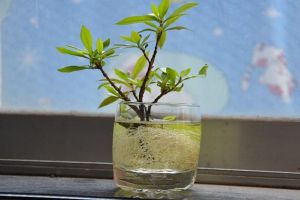
Root rot is a very common problem in plant care. It refers to the phenomenon in which the root system decays and dies after being kept for a long time in an environment that is too wet, lacking oxygen, or infected by pathogens. Common potted plants such as clivia (Clivia miniata), gardenia (Gardenia jasminoides), and money tree (Pachira aquatica) are all prone to root rot, and hydroponic plants can also fall victim when water quality deteriorates. Most cases of root rot are related to overwatering and poor drainage of the potting soil; overly concentrated fertilizer or the growth of pathogens in the soil can also be triggers.
The signs of root rot often show up first on the leaves, such as yellowing and softening, loss of gloss, and dropping off at the slightest touch, while the overall growth of the plant clearly stalls. At this point, take the plant out of its pot to check the roots. Healthy roots should be white or light-colored and feel firm when squeezed, while rotted roots are black or brown, with the outer layer rubbing off at a touch, and in severe cases they give off an unpleasant odor.
When you discover root rot, deal with it promptly. First take the plant out of its pot and shake off the old soil, then use sterilized scissors to cut away all the rotted parts. The wounds can be disinfected with a fungicide such as carbendazim, and after drying in a cool, ventilated place, repot the plant in fresh soil. During the recovery period, place it somewhere with plenty of bright, indirect light, and gradually return to normal watering and fertilizing once new roots have sprouted.
The key to preventing root rot lies in controlling water and ensuring airflow. Follow the principle of watering only when the soil is dry and watering thoroughly when you do, make sure the bottom of the pot has drainage holes, and add granular material to the soil mix to improve its looseness. During the rainy season and cold periods, water a little less and keep the environment well ventilated, and you can greatly reduce the chances of root rot occurring.
Related Reading