What to Do When Plant Leaves Turn Yellow: Find the Cause First, Then Treat It Accordingly
Yellowing leaves are one of the most common problems in home gardening, and almost every potted plant can run into it. Yellowing itself is not a separate disease, but an outward sign of internal physiological imbalance or an unsuitable external environment. When you spot yellow leaves, there is no need to throw the plant out right away. Find the right cause first and then deal with it, and in most cases the plant can recover.
The common causes can roughly be divided into several categories. Improper watering is the most widespread: watering too often leads to root rot, and the leaves turn yellow and soft all over; long-term lack of water makes the older leaves turn yellow first, then dry up and drop off. Light problems are also typical: strong direct sun easily causes scorched yellow patches, while long-term shade makes the leaf color fade and turn pale. In addition, overly concentrated fertilizer causing fertilizer burn, compacted soil or unsuitable soil pH, sudden temperature changes, and pests such as spider mites and aphids can all make leaves turn yellow.
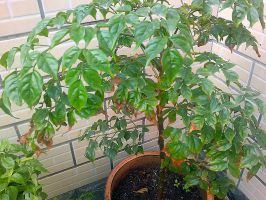
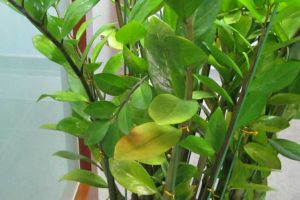
When judging the cause, observe the position and appearance of the yellow leaves. Yellowing that starts with the old leaves is mostly due to lack of water or nutrients; yellowing of the new leaves is often related to iron deficiency or soil that is too alkaline; scorched leaf tips and edges are usually a sign of fertilizer burn or dry air; and if yellow spots appear on the leaves, watch out for pests and diseases. Then compare this with your recent watering and fertilizing to narrow down the cause.
For routine care, water according to the rule of letting the soil dry before watering again, arrange the light according to each species' habits, fertilize lightly and often, and loosen the soil and repot regularly. Once yellow leaves appear, promptly remove the badly affected ones and adjust your care routine; generally, after some time, the plant will grow healthy new leaves again.
Related Reading