Characteristics of Dieffenbachia and How to Care for It at Home
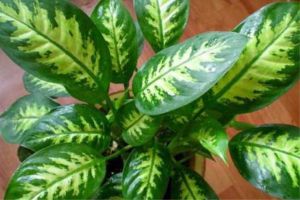
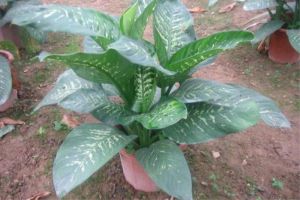
Dieffenbachia is an evergreen herbaceous plant in the genus Dieffenbachia of the family Araceae, also known as dumb cane, and is native to tropical America. Its leaves are broad and glossy, with yellow-white or varying shades of green markings distributed across the leaf surface. The plant has a neat and attractive form, making it a common indoor foliage potted plant.
This type of plant prefers a warm, humid, semi-shaded environment and has poor cold tolerance. Indoor room temperature in winter should not be too low, otherwise the leaves are prone to freezing and turning yellow. It has a certain tolerance for shade, but long-term insufficient light will cause the markings to fade, while direct strong light in summer can easily scorch the leaf surface. When cultivating, it is best to choose loose, fertile, well-drained soil, and water according to the principle of watering when dry and letting it dry between waterings, avoiding long-term water accumulation in the pot soil that can cause root rot.
In daily care, when the air is dry, you can spray water on the leaves and the surrounding area to increase humidity and keep the leaves glossy. During the growing season, applying dilute liquid fertilizer once or twice a month is sufficient; too high a fertilizer concentration can instead easily damage the roots. Usually pay attention to ventilation and promptly remove withered and yellow old leaves, which can both maintain the plant's shape and reduce the occurrence of pests and diseases.
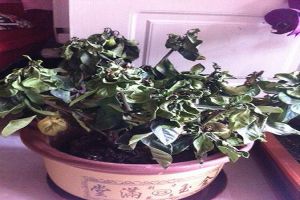
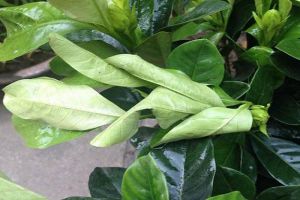
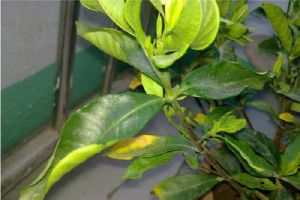
If the leaves turn yellow, droop, or have dry edges, it is mostly related to overwatering, excessive light, overly dry air, or low temperature. You can first check the pot soil moisture and the placement location, then make targeted adjustments. It should be noted that the sap of Dieffenbachia contains irritating components, so it is best to wear gloves when pruning or repotting, and the placement location should also avoid areas where children and pets can easily touch it.
Related Reading