When Does Banana Shrub (Michelia figo) Bloom? Flowering Characteristics and Care Methods Explained
Banana shrub (Michelia figo) is an evergreen shrub of the genus Michelia in the magnolia family. It gets its name because its flowers open in a half-open, half-closed state, as if smiling silently without speaking. It is a common ornamental flowering plant in southern China. It generally blooms every spring, with the flowering period mostly concentrated from March to May. In warm southern regions it opens a little earlier, while in areas with lower temperatures it is slightly delayed.
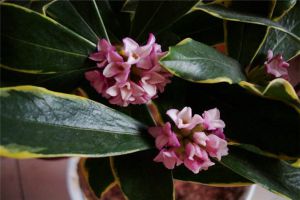
The flowers of banana shrub are not large, mostly pale yellow or creamy white, often with a purple tinge along the edges. When they open they give off a sweet, fresh fragrance reminiscent of bananas, making them excellent both for viewing and for enjoying the scent. The ornamental period of a single flower is not long, but the plant has dense branches and leaves, so the overall flowering period can last a fairly long time. It is suitable for planting in courtyards and can also be grown in pots placed on balconies or by windows.
If you want banana shrub to bloom on schedule, care should provide a warm, humid, semi-shaded environment and avoid long periods of direct exposure to harsh sun. It likes loose, fertile, well-drained, slightly acidic soil. During the growing season, keep the potting soil moist but not waterlogged. Before flowering, an appropriate supplement of phosphorus and potassium fertilizer can help flower bud differentiation and make the blooming more abundant.
If the plant only grows leaves and does not bloom, this is often related to insufficient light, too much nitrogen fertilizer, or improper pruning. You can move the plant to a spot with scattered light and adjust the fertilization ratio. After flowering, promptly cut off spent flowers and overly dense branches, which both keeps the plant shape attractive and helps accumulate nutrients, laying a good foundation for blooming the following year.