When Is the Best Time to Plant Gladiolus (Sword Lily) Corms
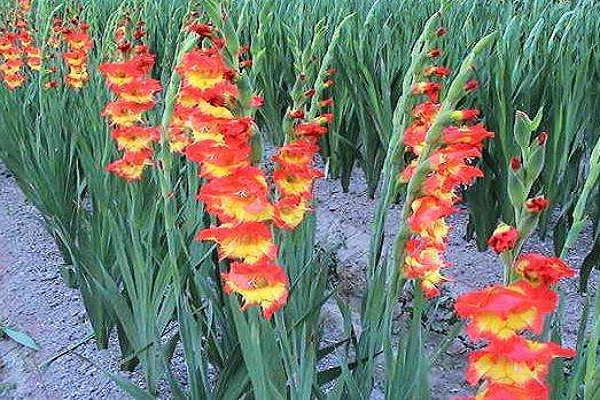
I. Planting Time
Generally speaking, it produces corms one year after being planted, and we usually use its seed corms; the planting time is generally in spring, though of course if you can maintain the temperature so that it does not enter dormancy, then you don't need to worry about the timing.
II. Preparation Before Planting
Because these are corms, we need to subject the corms to some processing before we start planting. Our method is actually fairly simple:
1. Soak its graded corms in water for a quarter of an hour, then use mercuric chloride or formalin; for mercuric chloride the concentration we generally need is 0.1 percent, while for formalin you need to use its 80-fold solution, and the disinfection time only needs to be 30 minutes. 2. Rinse it clean with pure water, put it in a ventilated place to dry, and set it aside for later use.
3. Before sowing, we also need to use fertilizer to increase the nutrient content of the flower soil, but these base fertilizers must not come into direct contact with the corms we plant.
III. Pot Cultivation
1. Put it all into the soil and press it down firmly.
2. Pour in a sufficient amount of water and water it thoroughly.
3. Place it in a semi-shaded spot, replenish water in time, and wait for it to sprout.
IV. Ground Cultivation
1. Choose a suitable plot of land, dig a trench; the depth of the trench should be two times more than the corm, and as for the spacing, you can judge that yourself according to the size of the corms.
2. Place the corms into the trench, cover with a layer of soil to fill the trench level.
3. After sowing, you still need to pay attention to water management; before the seedlings emerge, do not water casually unless it has already dried out completely.
V. Points to Note
For some relatively rare varieties, we need to pay extra attention. Generally we want to expand the propagation count, so we need to cut these corms apart, and the number of pieces can be decided by the size of the corm; two to four pieces is enough.
Each piece also has requirements: the root plate must be present, and the bud must likewise be plump; only in this way is propagation of daughter corms feasible. The cut surfaces should be smeared with something to prevent pathogens from invading; you can use charcoal ash or grass ash to smear them, and after smearing they must be planted immediately.