What Kind of Plant Is the Variegated Lilac? Characteristics and Care Methods Explained
The variegated lilac generally refers to a deciduous shrub in the genus Syringa of the olive family (Oleaceae), and it is widely considered to be closely related to Persian lilac (Syringa x persica) and cut-leaf lilac (Syringa laciniata); in some places, garden cultivars of lilac whose leaves bear yellow-white markings are also called variegated lilac. Its branches are slender and spreading, its plant form is rounded, and it is often grown as an ornamental flowering shrub in courtyards.
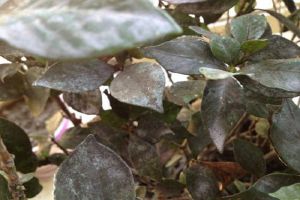
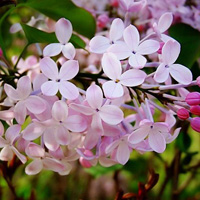
Its leaves are mostly ovate-lanceolate with smooth margins, and some types have deeply divided leaves that resemble pinnate leaves, which is the obvious difference between it and the common lilac (Syringa vulgaris). It enters its flowering period every spring, with panicles borne on the sides of the branches; the flowers are mainly pale purple, purplish red or nearly white, small and densely clustered, with a clear, far-reaching fragrance and high ornamental value.
For care, the variegated lilac likes a sunny, well-ventilated environment; it is slightly shade-tolerant and fairly cold-hardy, and it is not demanding about soil, growing best in loose, fertile, well-drained neutral or slightly alkaline soil. Watering should follow the principle of watering when dry and letting it dry out between waterings, and long-term waterlogging must be avoided, otherwise the roots rot easily. In spring and autumn, fertilizer can be supplemented in appropriate amounts, and after flowering, spent flowers and overly dense branches should be pruned promptly, which both keeps the plant shape attractive and benefits flowering the following year.
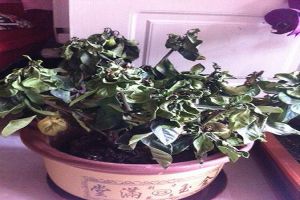
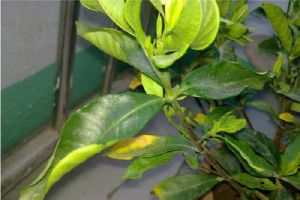
In daily management, if the leaves turn yellow or growth weakens, it is mostly related to waterlogging, insufficient light or poor soil conditions; the cause should first be identified before adjusting watering, position, fertilizing and other management practices. Because of its distinctive leaf shape and pleasant floral fragrance, the variegated lilac is suitable for specimen planting or group planting in courtyards, along roadsides and at the edges of lawns, and it can also be grown in pots for display; it is a popular lilac-type plant in spring gardens.
Related Reading