Yellow Cymbidium is an epiphytic orchid in the Orchidaceae family; once you understand its habits, it is not difficult to care for
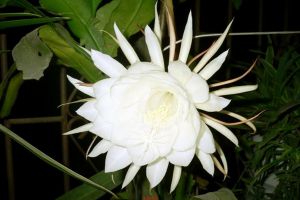
Yellow Cymbidium is a perennial epiphytic orchid of the genus Cymbidium in the Orchidaceae family. Wild plants mostly grow attached to tree trunks or rocks in the mountainous areas of southwestern China. It has obvious pseudobulbs, leathery strap-shaped leaves, and flower scapes that often extend at an angle or bend downward, bearing from several to more than ten flowers. The flowers have a yellow base color with purple-brown stripes and a slight fragrance when open, giving them high ornamental value.
The key to caring for Yellow Cymbidium is to mimic its native epiphytic environment. The plant likes semi-shade and dislikes direct scorching sun, so a position with bright scattered light is most suitable; it also prefers a cool, humid, well-ventilated climate. In summer, when temperatures are high, pay attention to shading and cooling, and in winter control water appropriately and keep it warm to reduce frost damage.
For the growing medium, choose loose, breathable materials such as bark, sphagnum moss, and tree-fern fiber; do not plant it directly in heavy, sticky garden soil. Water according to the principle of letting the medium dry between waterings; it should neither stay dry for long periods nor have waterlogged roots that rot. During the growing season, apply light fertilizer frequently, and after flowering promptly cut off the spent flowers to help the plant store nutrients.
Propagation is mainly by division, usually carried out together with repotting; simply separate healthy plants with pseudobulbs and plant them separately. Yellow Cymbidium can be grown in pots for ornamental display, and can also be tied to dead wood or tree boards for mounted cultivation. When in bloom it is elegant and distinctive, making it a rather wild-looking orchid variety for balconies and courtyards.
It is worth noting that Yellow Cymbidium has a similar name to the shrub Yellow Oleander commonly used in landscaping, but they are completely different types of plants, so they should be carefully distinguished when purchasing. If leaf tips scorch during cultivation, it is mostly caused by low air humidity or fertilizer that is too strong; simply adjust the environment and fertilizing habits in time and it will gradually recover.
Related Reading