An Introduction to the Morphological Characteristics and Main Uses of the Red Silk Thread Plant
The red silk thread plant is a shrub or subshrub of the genus Lycianthes in the Solanaceae family, and among the public it is also commonly known by aliases such as ten-calyx nightshade and wild chili. It is mainly distributed in southern regions of China such as South China and Southwest China, and mostly grows on hillside forest floors, beside streams, or in moist corners near villages. It is both a common folk herbal medicine and a rather wild-looking ornamental fruit plant.
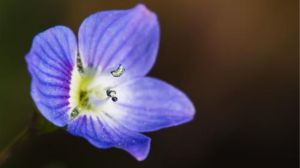
In appearance, the red silk thread plant is not very tall, and its branches often bear soft hairs, while its leaves are mostly ovate. Its flowers usually grow in pairs in the leaf axils, the calyx has obvious lobed teeth, and the corolla is pale purple or nearly white. The fruit is a spherical berry that turns bright red when ripe, hanging in clusters on the branches in a very eye-catching way, which is also how the name red silk thread came about.
In terms of application value, the whole plant of the red silk thread plant is often harvested and dried for use among the public, and traditionally it has mostly been used for regulation in areas such as clearing heat and relieving cough, belonging to the category of regional herbal medicine. It should be noted that some organs of Solanaceae plants may be irritating, and the red silk thread plant is not a food ingredient. If it is to be used medicinally, a professional should be consulted, and it must not be picked and taken on one's own.
For care, the red silk thread plant likes a warm, humid, and semi-shaded environment and is suitable for planting in loose, well-drained soil. It dislikes intense direct sunlight and long-term waterlogging. Propagation is mainly by sowing, and during the growing period it is enough to keep the soil slightly moist and provide appropriate shading. If yellowing leaves or root rot occur, it is mostly related to overwatering, and water should be controlled in time while ventilation is increased.
Related Reading