How to propagate asparagus fern? A detailed explanation of common propagation methods
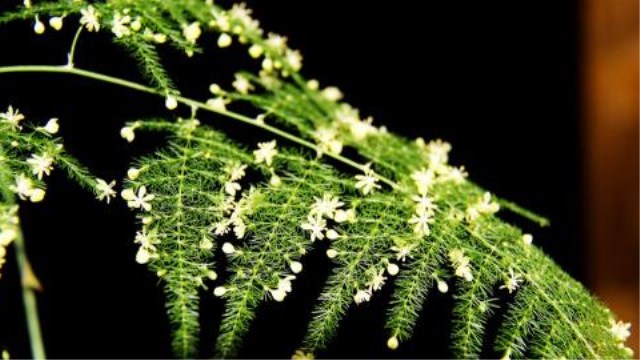
1. Division propagation
This method is suitable for plants that have already grown for 2 to 3 years. The specific steps are: first take it out of the pot, being careful not to damage it, and remove the soil around the roots; then separate the plant by hand into small individual plants, making sure each one has some roots; finally replant the divided plants into pots prepared in advance.
After dividing the plants, water them thoroughly first, then place them in a shady spot for about a week before returning to normal care. We can also apply some fertilizer after division, such as horse hoof slices, or simply add some pond mud to the bottom of the pot when preparing the potting soil.
2. Cutting propagation
This method can be done at any time of the year, but if the temperature is too low, it may not be easy for it to survive. The temperature requirement for this method is between 20 and 30°C.
First select a plant suitable for cuttings; the chosen plant must be sufficiently robust, with sufficiently lush branches and leaves. After selecting the plant, make a small cut on the selected branch with a clean tool. After half a day, apply a layer of sterilized fresh moss to the surface of the cut, then place it in a humid environment for about 10 days. When you see a tumor-like node appear at the cut, you can cut this branch off. All the branches on this branch can be cut off, leaving only two for the cutting.
When taking cuttings, we can make a bag ourselves, fill it with moist soil, poke some small holes on the outside, then insert the branch about 2 cm into it, and wrap cloth strips around the outside. Then place it in a large pot and fill it with soil.
3. Seed propagation
With this method, you must first collect mature seeds. When the outer skin of the seeds becomes soft and turns black, it means they are mature. After collecting the seeds, wash them thoroughly, dry them, and then store them. Wait until April of the following year before sowing.
Before sowing, prepare sandy soil first. For the pot, it is best to use a clay pot, though a wooden pot is also acceptable. When planting, poke a planting hole every 3 cm, and put 3 seeds in each hole. Then cover with a thin layer of soil, usually 5 cm is enough. After planting, water thoroughly and cover with plastic wrap to keep it moist, with the temperature preferably around 25°C.