How to care for a Phalaenopsis orchid: mastering light, watering and temperature is key
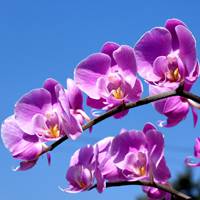
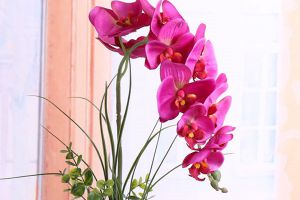
Phalaenopsis is an epiphytic flower of the genus Phalaenopsis in the orchid family, named for its blossoms that resemble butterflies. It has a long flowering period and a rich range of flower colors, and is often used as a Lunar New Year flower and an indoor potted ornamental. It originates from tropical and subtropical regions and prefers a warm, humid, well-ventilated semi-shaded environment, so home care needs to be arranged around these habits.
As for light, Phalaenopsis dislikes direct strong light and is best placed by a window with bright, indirect light. Shade it in summer, while in winter it can be given more access to soft sunlight. As for temperature, it is not cold-tolerant; the suitable growing temperature is roughly between 15 and 30 degrees, and in winter it is best kept above 10 degrees, avoiding direct cold drafts to prevent the plant from being chilled.
Watering is key to care. Phalaenopsis is usually grown in loose, airy media such as moss and bark; simply water thoroughly once the surface of the medium has dried, and never let it stay wet for long periods, which causes root rot. When the air is dry, mist around the plant to raise humidity, but do not let water sit in the crown of the leaves for long. During the peak growing season, apply a small amount of dilute liquid fertilizer, and supplement phosphorus and potassium fertilizer appropriately before flowering to help the flowers bloom better.
Among common problems, yellowing leaves are mostly related to overwatering, overly strong light or unsuitable temperatures; once noticed, first identify the cause before adjusting your care routine. If root rot occurs, promptly cut away the rotted parts and replace the medium with fresh material. After flowering, cut off the spent flower spike and let the plant rest properly; with good care it can bloom again the following year.
Related reading