The hyacinth's floral symbolism is rich in meaning, and different colors represent different sentiments.
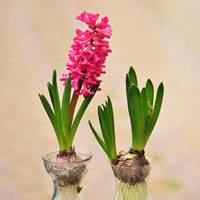
The hyacinth is a common bulbous flower with rich colors and a strong fragrance. It usually blooms in late winter and early spring, making it a popular choice for home hydroponics and pot culture. In the language of flowers, the hyacinth as a whole is often given meanings such as the joy of rebirth and igniting life, which is related both to its trait of being among the first to bloom in early spring and to the Greek legend that has been passed down.
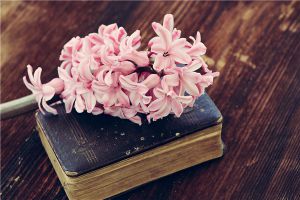
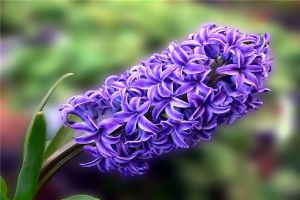
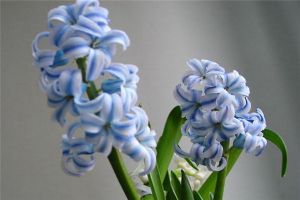
Hyacinths of different colors also differ in their floral symbolism. A common saying is that purple hyacinths represent melancholy or jealousy, white hyacinths symbolize purity and tranquility, blue hyacinths imply perseverance and firmness, pink hyacinths carry a meaning of admiration and romance, yellow hyacinths mostly express happiness and contentment, and red hyacinths are often used to express gratitude and joy. When giving flowers or decorating a home, you can choose the appropriate color according to the sentiment you want to convey.
The hyacinth has a compact plant form and a distinct fragrance, making it suitable for placement on windowsills, desks or living rooms with plenty of light and good ventilation, where it can be enjoyed both for viewing and for pleasure. As a gift, it is suitable for friends or family, conveying encouragement and good wishes. Because its fragrance is fairly strong, it is generally not recommended to keep it in the bedroom for long periods.
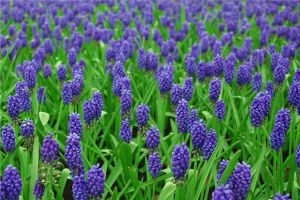
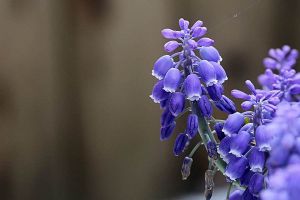
During care, if problems such as blackened leaves, failure to grow roots or failure to grow tall occur, they are mostly related to conditions such as temperature, light and water quality, and adjusting the environment in time can often alleviate them. In addition, although the grape hyacinth has a similar name, it is another plant, with different floral symbolism and care methods, so pay attention to distinguishing them when buying to avoid confusion.
Related Reading