What is the flower language and symbolism of the Swiss cheese plant?
I. The surface-level reasons
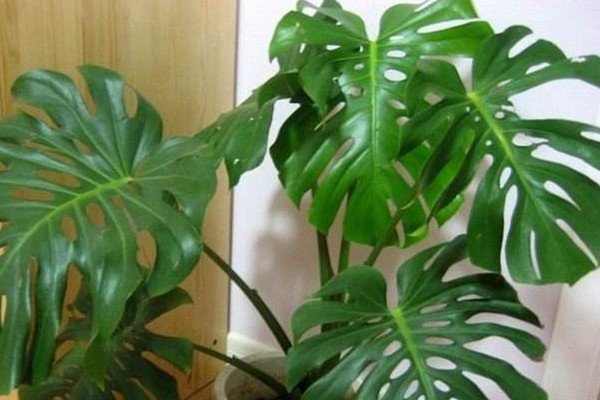
First, naturally, because its leaf surface resembles the shell of the longevity turtle, and in Chinese people's understanding, the turtle represents longevity; second, in terms of the plant's own lifespan, this plant itself has a long growing lifespan, hence the flower language of health and longevity.
II. The deeper meanings
In terms of symbolism, those in official positions like to place it at the entrance of their study, as it is believed to add fortune, longevity, and salary, thereby advancing their careers; those with elderly family members like to place it in the elders' room, symbolizing the elders' health and well-being; business families like to place it at the diagonal corner opposite the living room entrance, said to carry the beautiful symbolism of bringing in wealth and treasure; ordinary households like to place it in a room, not only adding vitality to the room but also making people feel cheerful, so they naturally behave in a positive, optimistic, and upward manner.
In terms of purification, although it cannot remove multiple harmful gases at the same time, it is a great helper for absorbing formaldehyde, and moreover, it can also absorb waste gases at night. Just imagine, placing a pot of Swiss cheese plant by the bedside, breathing fresh oxygen all night long - what a delightful enjoyment that would be, and the quality of sleep would absolutely keep rising.
In terms of ornamental value, by the ponds and small lakes of southern gardens, green branches and leaves set off rockeries and flowing water, forming a beautiful southern ecological picture; in the lobbies of upscale hotels and the interiors of ecological restaurants, large potted Swiss cheese plants are placed, creating a lively southern scene; in small living rooms and cramped office spaces, small potted Swiss cheese plants serve as accents, bringing a touch of vitality, a splash of green, and giving people infinite upward strength.
In terms of edible value, both its flowers and fruits can be eaten. The flowers are very large; southerners stir-fry or pan-fry them as vegetables, and especially the bracts outside the inflorescence can even be eaten raw; its fruit is a berry, tasting like the fruit pineapple, with a very good flavor.