Fermented leaf litter can be turned into leaf mold, which is loose and fertile and very suitable for growing flowers
Leaf litter refers to the organic matter formed after fallen leaves have accumulated for a long time and been decomposed and fermented by microorganisms; once fully rotted, it is also often called leaf mold or leaf humus soil. It is mostly dark brown or deep brown, loose in texture, easily crumbled when lightly pinched, and smells of fresh earth, making it one of the most common natural substrates in flower-growing soil mixes.
The advantages of leaf mold are fairly prominent. It has many internal voids, is loose and breathable, and at the same time has decent water- and fertilizer-retention capacity; it is rich in humus and generally slightly acidic. For plants such as clivia, gardenia, rhododendron and pothos that like loose, fertile soil, mixing an appropriate amount of leaf mold into the soil blend will let the roots spread out more freely and the overall growth will be better.
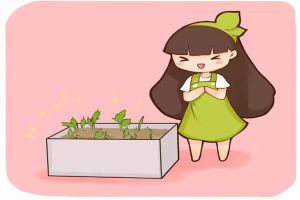
Leaf mold can absolutely be made by hand. In autumn, collect fallen leaves from broadleaf trees such as poplar and sycamore, and layer them with garden soil in a flower pot or foam box, watering once after each layer of leaves is laid down to keep it moist, then cover the top with another layer of soil to seal it. Leave it in a corner to compost for several months to half a year, and once the leaves have turned black and rotted so that their original shape can no longer be seen, they are basically fully rotted.
There are two things to keep in mind when using it. First, it must be used only after the leaf litter is completely rotted; unrotted fallen leaves will continue to ferment and generate heat in the potting soil, which can easily burn the roots and may also attract insects. Second, before use, leaf mold is best spread out in the sun for a few days, or mixed with an appropriate amount of carbendazim for disinfection, and then blended in proportion with garden soil and river sand; nutrient soil prepared this way is more suitable for home flower growing.
Related Reading