Reasons and Solutions for Yellowing Leaves on Bromeliads
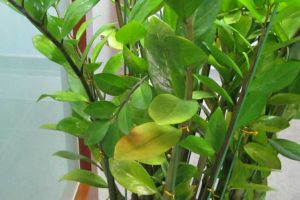
Yellowing leaves on bromeliads are a fairly common situation in home care, and most of the time they indicate that something has gone off in the plant's growing environment or routine management. Sometimes it is simply the normal metabolism of old leaves at the base, while other times it is a signal of root or environmental problems, so you need to first identify the cause before treating it accordingly.
The common causes fall mainly into a few categories: improper watering, unsuitable light, low temperatures and fertilization problems. Bromeliads like moisture but fear waterlogging; when the potting soil stays too wet for a long time, the roots cannot breathe properly and the leaves turn yellow and soft; too little water, on the other hand, makes the leaf tips dry out and turn brown. As for light, direct strong sunlight easily scorches the leaves, while keeping the plant in a too-dark corner for a long time fades the leaf color to yellow.
Once you notice yellow leaves, first check how wet or dry the potting soil is, and water according to the principle of letting it dry between waterings to avoid waterlogging. Move the plant to a spot with bright, indirect light, shade it appropriately in summer, and keep it warm in winter, avoiding direct cold drafts. If you have recently applied too much fertilizer, stop fertilizing for the time being and flush the potting soil several times with clean water to dilute the fertilizer.
In addition, it is normal for the old leaves at the base of a bromeliad to gradually turn yellow as it grows; just trim them off promptly and there is no need to worry too much. In everyday care, maintaining a certain level of air humidity, opening the windows often for ventilation, and using a loose, breathable, well-drained, slightly acidic soil can effectively reduce the occurrence of yellow leaves and keep the foliage in a glossy green, ornamental state.
Related Reading